Leave Your Message

High-Quality Fused Cast α-Alumina Block (RTK-A) from China Suppliers & Factory for Superior Wear Resistance

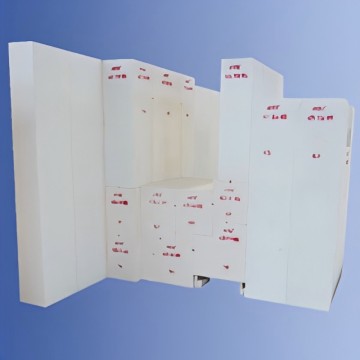
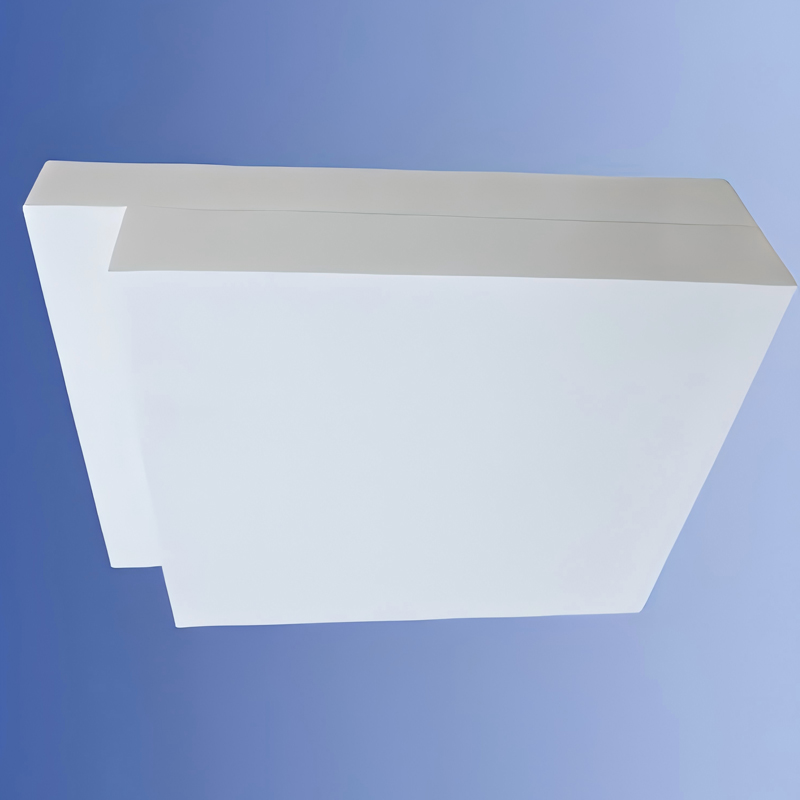
RTK-A is a high-performance material made from nearly 100% alpha-alumina, renowned for its exceptional properties. Manufactured in China, this alumina offers remarkable resistance to high temperatures and strong alkali, ensuring a compact structure and excellent chemical stability. As one of the leading suppliers in the industry, our factory produces RTK-A with superior wear resistance and corrosion resistance to a variety of slags, setting it apart from other aluminum silicate products. Ideal for use in skid roll bricks for metallurgy electrolyzers and heating furnaces, RTK-A utilizes high-purity raw materials, resulting in minimal impurities and almost no matrix glass phase. This translates into outstanding low-contamination performance for molten glass applications.

    Brief Introduction

    Fused and cast alumina products are alumina series fused and cast blocks made of high-purity alumina raw materials, which are melted in an electric arc furnace at a high temperature above 2000℃. Due to the use of high-purity raw materials, less impurities and almost no matrix glass phase, it has excellent low contamination performance to the molten glass.
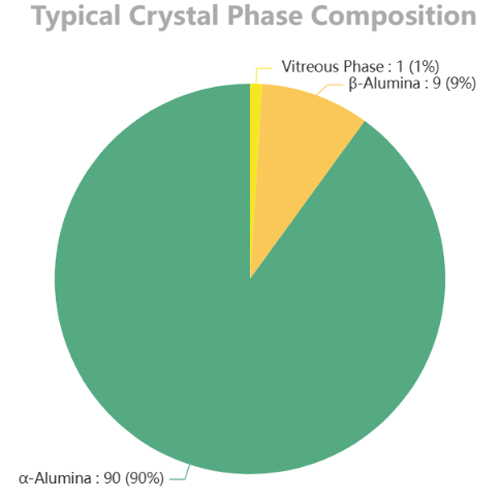
    The crystal phase structure of the fused alumina series is composed of α-alumina and β-alumina, which has different composition ratios. The products of different varieties have different properties and can meet different operating conditions. According to its crystal phase structure, it is divided into α-β corundum brick (RTK-M), β-corundum brick (RTK-H) and α-corundum brick (RTK-A). Further classification shall be made according to the appearance quality specification level and casting method. These classifications can meet the different application requirements of fused cast corundum series in glass furnaces and metallurgical electrolyzers.
    RTK-A is composed of nearly 100% α-alumina, which has high temperature resistance, strong alkali resistance, compact structure, excellent chemical stability and strong wear resistance. Its corrosion resistance to various slags is far stronger than other aluminum silicate products, and it is an ideal material for the skid roll bricks of the metallurgy electrolyzer and heating furnace.

    Chemical Composition

    CHEMICAL COMPOSITION TYPICAL VALUE
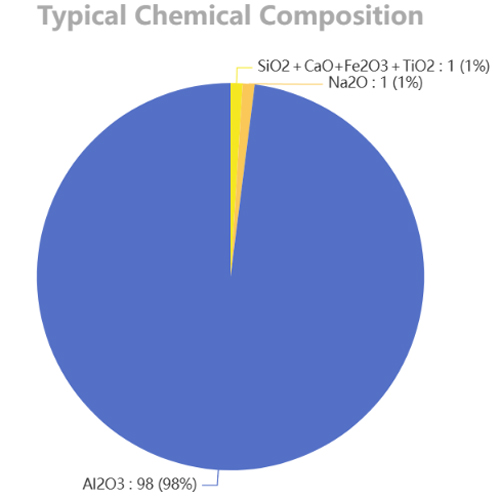
    Al₂O₃ % 98.0
    Na₂O % 1.0
    SiO₂ + CaO + Fe₂O₃ + TiO₂ % ≤ 1.0

    Physical Property

    PHYSICAL PROPERTY TYPICAL VALUE
    Bulk density (dense part) g/cm³ 3.4
    Normal temperature compression resistance MPa 280
    Load softening start temperature (0.2 MPa) ℃ 1700
    CALCULATE SPECIFIC GRAVITY TYPICAL VALUE
    PT g/cm³ 3.1
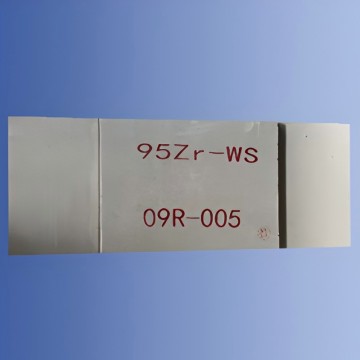
    WS g/cm³ 3.3

    Frequently Asked Questions (FAQ)

    What are the primary raw materials and manufacturing process for fused cast alumina products?

    They are made from high-purity alumina raw materials melted in an electric arc furnace at extreme temperatures exceeding 2000℃, resulting in low impurity levels and minimal matrix glass phase.

    What are the main classifications of the fused cast corundum series?

    Based on the crystal phase structure of α-alumina and β-alumina ratios, they are classified into α-β corundum brick (RTK-M), β-corundum brick (RTK-H), and α-corundum brick (RTK-A).

    What makes RTK-A particularly resistant to slag and chemical corrosion?

    RTK-A consists of nearly 100% α-alumina, providing a highly compact crystalline structure, exceptional chemical stability, strong alkali resistance, and superior slag corrosion resistance compared to other aluminum silicate products.

    Where are RTK-A fused cast bricks typically applied?

    RTK-A is an ideal material for skid roll bricks in metallurgical heating furnaces, metallurgical electrolyzers, and specialized high-wear areas in glass furnaces.

    Why do fused cast alumina blocks minimize contamination in glass melting furnaces?

    Because they are manufactured using high-purity raw materials containing almost no matrix glass phase, preventing foreign phase leaching and providing excellent low contamination to molten glass.

    What are the mechanical and thermal resistance capabilities of RTK-A?

    RTK-A features a cold compression resistance of 280 MPa, a bulk density of 3.4 g/cm³ in its dense part, and a load softening starting temperature of 1700℃ at 0.2 MPa.

    Leave Your Message