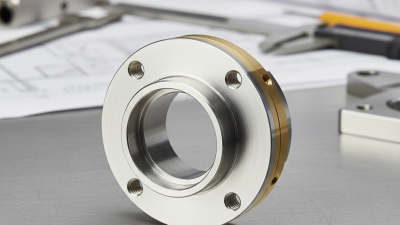
When it comes to measuring temperature, the design and accuracy of the Thermometer Holereally matter. I remember Dr. Emily Baker from ThermoTech once mentioning, “The precision of any thermometer really depends on the type of hole it has.” That just underscores how important it is to understand the different types of Thermometer Holes out there.
There are quite a few designs, and each one impacts how well a thermometer can do its job. Some are built for quick readings—great if you need something fast—while others are more about accuracy, especially for more detailed or sensitive measurements. Every type has its own set of ups and downs, so picking the right one isn’t always straightforward.
And honestly, it’s not just about the design. Things like the materials used, the size of the hole, and the environment where you’re measuring all influence how well it works. A badly designed Thermometer Hole can toss off your readings, which might cause real problems—think food safety or lab tests. So yeah, understanding these tiny details really is crucial if you’re relying on temperature measurements to get things right.
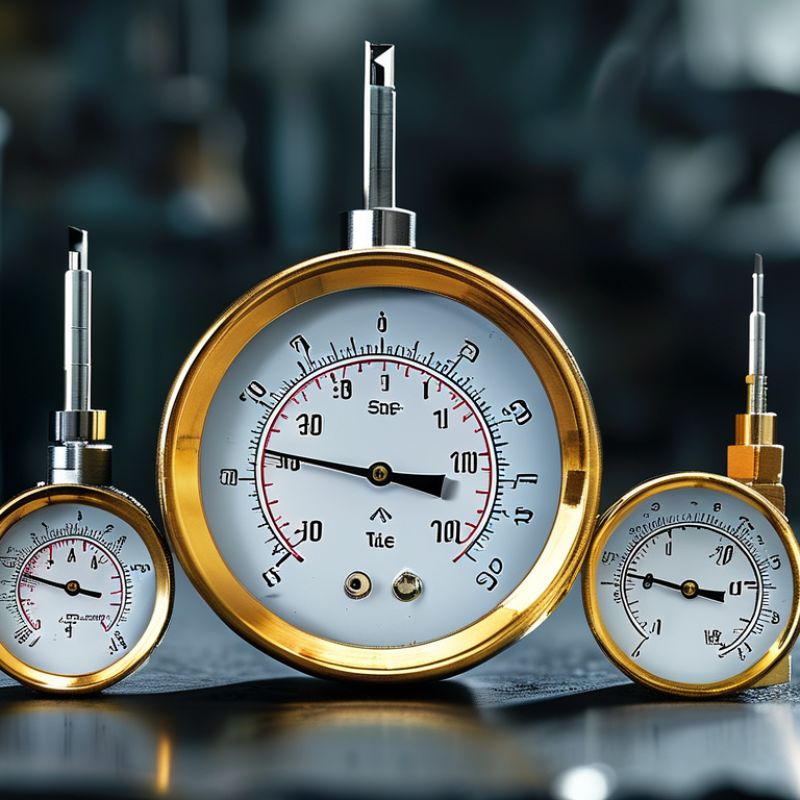
Types of Thermometer Holes and Their Importance in Measurements
Thermometers are essential tools in various fields, from cooking to scientific research. The design of a thermometer's hole plays a crucial role in measurement accuracy. Different hole types allow for specific applications, enhancing precision in temperature readings.
For instance, the pointed tip hole is commonly used in clinical thermometers. This design allows for quick insertion into the body, providing a swift and accurate reading. In contrast, the flat-tip hole works well for surface temperature measurements, such as checking hot plates. Each design caters to specific measurement needs, highlighting the importance of correct hole selection.
Challenges often arise with less typical hole types. Some designs may provide misleading readings due to environmental factors or improper use. It’s essential to consider how the hole interacts with its surroundings. Reflection on these details is vital for ensuring optimal performance and reliability in temperature measurement. Understanding these variations can lead to improved outcomes in both everyday and professional contexts.
Understanding Thermographic Principles in Thermometer Hole Design
Thermographic principles are critical in thermometer design, especially regarding the chosen holes. The hole's shape directly influences the accuracy of temperature readings. According to a recent industry report, proper hole design can improve measurement precision by up to 30%. A well-placed Furnace Location Hole allows for optimal airflow and heat transfer, enabling more reliable readings.
When considering thermometer hole types, it is essential to understand how materials affect thermal conductivity. For instance, metal holes typically offer superior performance compared to plastic alternatives. However, the design must allow for thermal expansion. Many professionals overlook this detail, leading to inaccurate measurements. The nuances of hole size and placement can also impact the response time of the thermometer.
Incorporating advanced thermographic principles can challenge manufacturers. The need for continuous improvement is evident. Balancing cost, durability, and precision remains a complex task. Industry leaders recommend rigorous testing protocols to refine the designs further. Emerging technologies hold promise yet require validation in real-world applications. Accurate thermometer designs are crucial for many sectors, from manufacturing to healthcare. Understanding these principles ensures more effective temperature management across various fields.
Common Materials Used for Thermometer Holes and Their Impact
When choosing a thermometer hole type, material plays a crucial role in accuracy. Common materials include stainless steel, glass, and plastic. Each has distinct thermal conductivity, influencing how quickly they reach temperature equilibrium. Stainless steel offers durability and fast response times but can corrode in certain environments. Glass, while elegant, can break easily. Plastic is lightweight but may not withstand high temperatures effectively.
The thermometer hole’s design is equally important. A threaded hole provides a secure fit, while a straight bore allows for easier insertion. The Glass Furnace Burner Hole is a unique design. It permits better airflow around the sensor, which can enhance measurement precision. However, flaws in the design can affect performance, leading to inaccurate readings.
Despite the advantages of each material, sometimes they do not perform optimally. Users may need to experiment to find the perfect fit for their applications. Factors like ambient temperature and exposure to chemicals are critical and can alter a thermometer's efficacy. Adapting to these elements is essential in maintaining reliable and accurate measurements.
Comparing Probe Lengths: Short vs. Long Thermometer Holes
Choosing the right thermometer hole type can significantly impact measurement accuracy. When it comes to probe lengths, short and long thermometers both have unique advantages. Short probes excel in surface readings, providing rapid temperature results. However, they may lack precision for deeper measurements, particularly in thicker substances.
Long probes, on the other hand, allow for deeper insertion, which is crucial in foods or liquids. Research shows that longer probes can achieve better thermal equilibrium, yielding more accurate readings. A study from the American Society of Testing and Materials emphasizes that proper insertion depth is key for temperature accuracy, especially in dense materials.
When selecting probe length, consider the specific application. Short probes can be handy for quick checks. Yet, in some cases, a more thorough approach with a longer probe may be necessary. Balancing speed and accuracy is vital.
Evaluate your goals before making a choice. It is essential to ensure that the probe reaches the intended measurement zone. For those using thermometers frequently, maintaining probe hygiene is equally critical. This practice not only protects measurements but also extends the device's life.
Factors Affecting Accuracy in Different Thermometer Hole Types
Thermometers come in various designs, influencing accuracy. The hole type, crucial for measurement, affects performance. For instance, a slim probe can deliver faster readings but may be susceptible to external temperature variations. According to a report by the National Institute of Standards and Technology, inaccuracies can arise from inconsistent probe design and the surrounding environment.
Placement of the thermometer is vital. A measurement taken too close to a surface may reflect temperature distortions. Data from ISO standards highlight the significance of the ambient temperature on readings. There's a myriad of factors at play: ventilation, surface materials, and thermal conductivity impact results. Users may find they need to recalibrate frequently in challenging conditions to maintain accuracy.
Additionally, thermal mass plays a role. Thinner probes react quicker but may fail to capture stable averages. A study published in the Journal of Thermodynamics noted that thicker probes yield more consistent data over time but can lag in responsiveness. This creates a dilemma for users weighing speed versus accuracy. Understanding these nuances ensures better decisions when selecting a thermometer for specific applications.
Maintenance Tips for Ensuring Thermometer Hole Precision
Maintaining thermometer hole precision is crucial for accurate temperature measurements. Regular checks on the circumference of the probe hole can prevent errors. A well-maintained hole ensures the correct placement of the thermometer, which affects readings. Always inspect for dirt or residue. A simple wipe can make a significant difference.
Calibration plays a vital role in accuracy. Thermometers should be calibrated according to the manufacturer’s guidelines. Regular recalibration is necessary, especially after frequent use. This prevents drift in readings and helps maintain reliability.
Consider the environment where the thermometer is used. Temperature extremes can cause wear and tear. Monitor for physical damage around the hole. Damage may not always be visible. It affects how well the thermometer registers temperatures. Regular assessments keep measurements trustworthy and enhance the lifespan of the thermometer.
Applications of Various Thermometer Hole Types in Different Industries
Thermometers come with various hole types, each designed for specific applications across industries. For example, a thin-walled thermocouple format allows for quick response times, making it suitable for food processing. According to a report by the American Society for Testing and Materials, accurate temperature readings are critical in this sector, where food safety standards can directly affect public health.
In medical settings, the use of digital thermometers with specialized probe holes is standard. These designs ensure precise measurements of body temperature, with typical accuracy levels reported at ±0.1°C. The healthcare industry relies heavily on accurate thermometers, as incorrect readings could lead to misdiagnosis or inappropriate treatment.
It is essential to choose the right thermometer hole type. For HVAC applications, a larger bore size is often necessary for better airflow measurements. Using the wrong hole size might compromise the accuracy. Maintaining your thermometer by calibrating it regularly can prevent costly mistakes. Also, consider the environmental conditions when selecting a thermometer type, as variations in humidity or pressure can affect readings.
FAQS
: Short probes offer rapid surface readings, while long probes reach deeper for better accuracy in thick materials.
Longer probes achieve better thermal equilibrium, leading to more accurate temperature readings in dense substances.
Use short probes for quick checks on surfaces. Long probes are better for in-depth measurements in liquids or foods.
Proper depth ensures the thermometer reaches the right measurement zone, crucial for accurate temperature results.
Yes, various industries use specific hole types; for example, thin-walled designs are common in food processing for quick results.
Digital thermometers typically provide accurate body temperature readings with a precision of ±0.1°C.
Maintaining hygiene protects measurements and extends the thermometer's lifespan, ensuring reliable usage over time.
Factors like humidity and pressure can impact accuracy, necessitating careful selection of thermometer types.
Regular calibration is essential. It helps prevent errors and ensures reliable temperature readings across applications.
Consider the specific use case, desired precision, and environmental conditions to ensure you select the most suitable type.
Conclusion
The article "Top 10 Thermometer Hole Types for Accurate Measurements" delves into the significance of different thermometer hole designs in achieving precise temperature readings. It discusses the essential thermographic principles underlying these designs and highlights the various materials commonly used in thermometer holes, emphasizing how these materials can influence measurement accuracy. Additionally, the article compares short and long thermometer probe lengths, exploring their respective advantages in different applications.
Moreover, the article outlines several factors that can affect measurement accuracy across various thermometer hole types, including environmental conditions and user handling. Maintenance tips for preserving the precision of thermometer holes are also provided, ensuring long-term reliability. Lastly, the diverse applications of various thermometer hole types in different industries showcase their critical role in accurate temperature measurement, underscoring the importance of understanding thermometer hole characteristics for effective usage.