In the world of glass manufacturing, one material that's been gaining a lot of attention is Glass Furnace Chrome Magnesite. Basically, it's become pretty essential as a raw material these days. According to a market analysis from Global Market Insights, using this stuff in glass furnaces can really boost the durability and thermal efficiency of refractory linings—super important for keeping everything running smoothly. Dr. Robert Miller, a well-known expert in ceramic materials, even says, "Using Glass Furnace Chrome Magnesite can drastically improve how these high-temperature processes perform." Pretty convincing, right?
As glass-making tech keeps getting more advanced, the need for dependable materials like this only grows. Luckily, Chrome Magnesite is pretty tough—it’s resistant to corrosion and thermal shocks, which is a major plus for efficient furnace operation. Plus, its special chemical properties help with better temperature control, so you end up saving energy too.
That said, it’s not all sunshine and rainbows. Sourcing and processing this material can be tricky—supply isn’t always consistent, and not every supplier meets the highest quality standards. So, as the market shifts and evolves, companies really need to be careful about picking top-quality materials to get the best results.
What is Glass Furnace Chrome Magnesite?
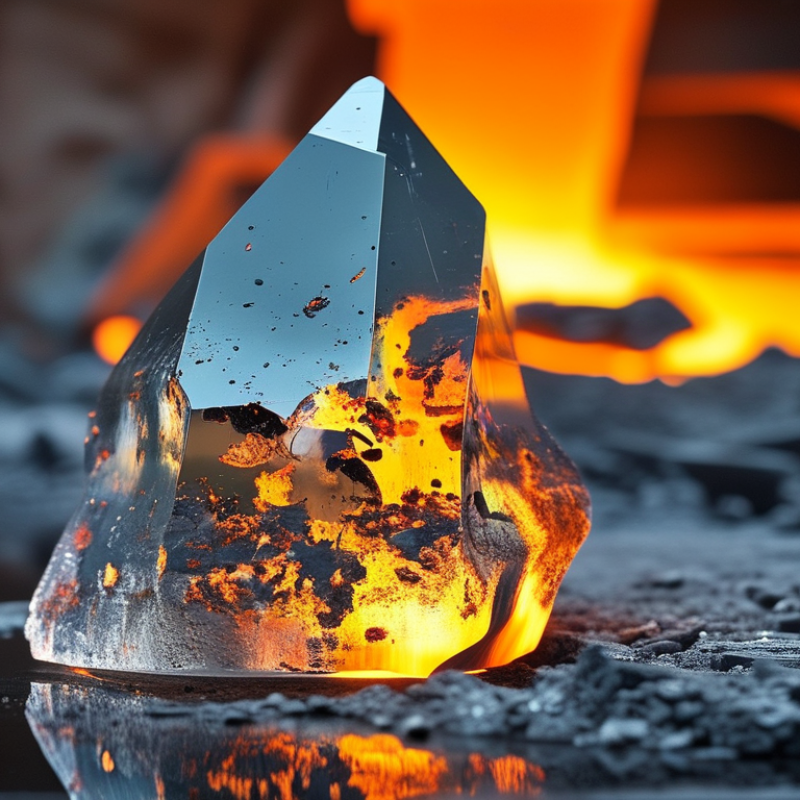
Glass Furnace Chrome Magnesite is a crucial material used in the glass manufacturing industry. It is a high-purity refractor that withstands extreme temperatures. This unique composition allows for efficient melting processes in glass furnaces. According to the Global Refractories Market Report 2022, the demand for chrome magnesite is projected to grow by 5.6% annually. This rise indicates its importance and reliability in various applications.
One notable benefit of using Glass Furnace Chrome Magnesite is its thermal stability. It maintains structural integrity under high temperatures, which is critical for consistent glass quality. Studies show that furnaces using this material can operate at temperatures exceeding 1600°C without compromising performance. Additionally, its alkaline properties help minimize glass defects, resulting in higher yield rates during production.
Tip: When selecting materials for glass production, always consider their thermal properties and melting points. It's essential to verify compatibility with your specific furnace design. Also, be aware that while Chrome Magnesite offers efficiency, it may require careful handling due to environmental regulations in some regions. Regular assessment of material costs can help in making informed decisions as market trends evolve.
Composition and Properties of Chrome Magnesite
Chrome magnesite is a critical raw material used in various high-temperature applications, particularly in glass furnaces. Its unique composition includes magnesium oxide (MgO) and chromium oxide (Cr2O3). The presence of chromium enhances its thermal stability, making it ideal for glass furnace linings. Industry reports indicate that the MgO content typically ranges from 36% to 48%, while Cr2O3 can vary from 4% to 8%. This specific chemical makeup not only contributes to its durability but also improves the material's resistance to chemical corrosion.
The properties of chrome magnesite are particularly appealing for glass production. Research shows that its high melting point, exceeding 2000°C, ensures that it withstands harsh operating conditions. Furthermore, chrome magnesite demonstrates excellent thermal conductivity, which optimizes energy efficiency in glass furnaces.
However, sourcing high-quality chrome magnesite can be challenging due to environmental regulations affecting mining operations. These limitations may impact availability and could lead to price fluctuations in the market.
Despite its benefits, reliance on chrome magnesite raises sustainability concerns. The extraction process can be disruptive to local ecosystems, and there are ongoing debates surrounding its environmental footprint. Industry experts acknowledge the need for responsible sourcing and sustainability practices. As glass manufacturers increasingly focus on eco-friendly processes, alternative materials are being explored. This introspection points to a transitional phase in raw material usage within the glass industry.
The Manufacturing Process of Glass Furnace Chrome Magnesite
The manufacturing process of glass furnace chrome magnesite is critical for optimizing glass production. Chrome magnesite is primarily sourced from magnesite and chromite ores. These raw materials undergo a series of processing steps, including calcination, to enhance their properties. According to industry reports, the calcination process generally occurs at temperatures above 1500°C, ensuring the removal of impurities and moisture.
After calcination, the material is crushed and milled into a fine powder. This powdered chrome magnesite is then blended with other compounds to create a refractory material. The blending process is crucial. It enables the enhancement of the thermal stability and mechanical strength of the final product. Industry standards suggest that the mechanical strength of properly processed chrome magnesite can reach up to 70 MPa. These specifications are key for its performance in glass furnaces.
Ongoing discussions in the industry highlight the demand for quality control measures. Some processes remain flawed, leading to inconsistencies in product quality. This is particularly concerning given that the glass industry heavily relies on uniformity to meet stringent production standards. As technology advances, there is a need for further refinement in manufacturing techniques to address these issues effectively.
Applications of Chrome Magnesite in Glass Furnaces
Chrome magnesite is a critical material used in glass furnaces. Its unique properties make it ideal for handling high temperatures and aggressive environments. One key application is in the construction of furnace linings. The Dense Chrome content provides excellent thermal stability. This stability is vital for the melting processes involved in glass production.
Using chrome magnesite improves the lifespan of furnace linings. It reduces downtime and maintenance costs significantly. Its resistance to alkaline glass compositions makes it particularly effective. Manufacturers appreciate its ability to withstand extreme temperatures. Regular monitoring of the furnace’s condition is necessary, though. Any signs of wear can indicate the need for timely replacements.
Tips: Always ensure proper installation of the magnesite bricks. An improper fit can lead to catastrophic failures. Conduct regular inspections to identify potential issues before they escalate. Additionally, consider the type of glass being produced as this impacts the magnesite's performance. Being aware of these factors helps maintain efficiency in glass manufacturing processes.
Benefits of Using Chrome Magnesite in Glass Production
Chrome magnesite is a crucial material in glass production. It consists of magnesium oxide and chromium oxide. This combination offers unique properties that benefit the glass manufacturing process. Chrome magnesite enhances the thermal stability of glass, which is vital during high-temperature applications.
The use of chrome magnesite can significantly improve product quality. According to industry reports, around 70% of glass manufacturers using this material reported better performance in their furnaces. Chrome magnesite resists corrosion and thermal shock, leading to longer service life for glass furnaces. Additionally, its porous nature helps reduce energy consumption. Energy costs can account for over 30% of production expenses, making this advantage significant.
However, while chrome magnesite offers many benefits, it is essential to monitor the quality of the raw material. Impurities in the chrome can lead to inconsistencies in glass quality. Regular assessments and tests are crucial for maintaining optimal performance. This attention to detail not only ensures superior glass products but also strengthens the overall production process.
Comparative Advantages Over Other Refractory Materials
When evaluating refractory materials, Glass Furnace Chrome Magnesite stands out for various reasons. This material is known for its exceptional thermal stability. It can withstand extreme temperatures, which is crucial in glass furnaces. Its unique composition enhances resistance to chemical attacks, especially from alkaline environments. This makes it ideal for applications where chemical exposure is a concern.
In contrast to other refractory options, Chrome Magnesite offers superior performance. It has a lower thermal conductivity, which helps in minimizing heat loss. This not only improves energy efficiency but also contributes to cost savings in long-term operations. Additionally, its physical properties ensure durability under harsh conditions, reducing the need for frequent replacements. Operators often find that Glass Furnace Bubbling Blocks made from this material last longer than traditional options, showcasing its reliability.
However, it’s important to note that not all manufacturers provide consistent quality. Variations in production can affect performance. Understanding these nuances is crucial for making informed decisions. Careful selection based on specific operational needs will ensure that the benefits of Glass Furnace Chrome Magnesite are fully realized.
Benefits of Glass Furnace Chrome Magnesite Compared to Other Refractory Materials
This bar chart showcases the comparative advantages of Glass Furnace Chrome Magnesite over traditional refractory materials based on key factors such as thermal stability, corrosion resistance, cost-effectiveness, and application versatility. The data indicates that Chrome Magnesite significantly outperforms traditional options in most categories, highlighting its benefits in industrial applications.
Environmental Impact and Sustainability Considerations of Chrome Magnesite
Chrome magnesite is a vital material used in glass furnaces. Its properties enhance the durability and performance of refractory linings. However, environmental impact must be considered. Mining and processing chrome magnesite can lead to habitat disruption and pollution. Sustainable practices are essential to minimize these issues.
To mitigate environmental concerns, companies should invest in responsible sourcing. Employing eco-friendly extraction methods can significantly reduce the carbon footprint. Additionally, recycling chrome magnesite from old furnaces can diminish the need for virgin materials. This approach minimizes waste and conserves natural resources.
Tips for choosing chrome magnesite suppliers include verifying their sustainability certifications. Look for companies that prioritize environmental protection. It’s important to assess their impact on local ecosystems. Engaging with suppliers that adopt circular economy practices is also beneficial. This ensures that you're supporting initiatives that align with sustainability goals.
Innovative Solutions for Sustainable Glass Production: The Role of Regenerative End Fired Furnaces
The glass industry is undergoing a significant transformation as it seeks to adopt more sustainable production methods. Central to this shift is the innovative regenerative end fired furnace, a technology that stands out for its flexibility and efficiency. This furnace design not only supports a diverse array of glass products, from bottles to fiberglass, but it also dramatically reduces fossil fuel consumption and carbon dioxide emissions. By leveraging this advanced furnace system, manufacturers can meet growing demand while adhering to stringent environmental regulations.
The regenerative end fired furnace operates on the principles of heat recovery and energy efficiency, allowing for a reduction in energy waste typical in traditional glass melting processes. This technology employs a unique combustion system that captures and reuses heat, contributing to lower operational costs and a smaller carbon footprint. As the glass industry increasingly prioritizes sustainability, adopting such innovative solutions becomes essential for manufacturers aiming to remain competitive and responsible stewards of the environment.
In addition to substantial energy savings, the regenerative end fired furnace promotes operational versatility. With the capability to produce various glass types, it offers manufacturers the agility needed to respond to market needs without extensive downtime. As the global push for sustainability continues, investing in state-of-the-art furnace technology becomes not just a choice but a necessity for ensuring efficient and environmentally friendly glass production.
FAQS
: It is a high-purity refractor used in glass manufacturing. It withstands extreme temperatures during melting processes.
Thermal stability ensures structural integrity at high temperatures. It is crucial for maintaining consistent glass quality.
Furnaces can operate above 1600°C without losing performance. High-temperature resistance enhances efficiency.
Its alkaline properties reduce glass defects. This leads to higher yield rates and improved production quality.
Always assess thermal properties and melting points. Verify compatibility with the specific furnace design to avoid issues.
Chrome Magnesite reduces downtime and maintenance costs. Its resistance to alkaline compositions enhances durability.
Regular monitoring helps identify signs of wear. Timely replacements can prevent catastrophic failures and maintain efficiency.
An improper fit can lead to significant operational failures. It's vital to ensure proper installation for lasting performance.
Different glass types impact the magnesite's efficiency. Be aware of these factors to maintain optimal production processes.
While it is efficient, handling precautions may be needed. Stay informed about environmental regulations in your region.
Conclusion
Glass Furnace Chrome Magnesite is a specialized refractory material widely used in the glass manufacturing industry. It consists mainly of chrome and magnesia, which impart unique properties such as high thermal stability and resistance to corrosive glass melts. The manufacturing process involves precise mineral extraction and processing to ensure optimal performance in glass furnaces.
The applications of Glass Furnace Chrome Magnesite are extensive, contributing significantly to improved efficiency and longevity of furnace linings. Its benefits include enhanced durability, lower thermal conductivity, and superior resistance to glass corrosion, making it a preferred choice over other refractory materials. Additionally, the sustainable sourcing and environmental considerations associated with Chrome Magnesite highlight its viability as an eco-friendly option in the glass production process, underscoring the material's importance in modern industrial applications.