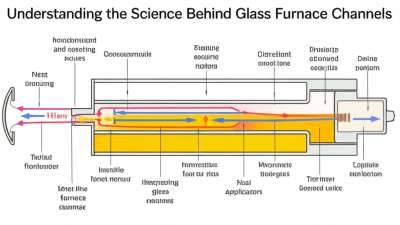
You know, the Glass Furnace Branch Flue is pretty important when it comes to making glass. Basically, it helps carry away the gases that pop up during the melting process. If you get how it works, you can actually make your glass production way more efficient.
So, in a typical glass furnace, as things heat up, a bunch of gases are produced. That’s where the flue comes in—it steers those gases safely out of the way. This not only keeps things clean but also helps maintain the right temperature. But here’s the thing—not all flues are created equal. Some can be a bit inefficient, which might lead to more emissions and higher energy bills. That’s why regular checks and maintenance are super important to keep everything running smoothly.
Honestly, a lot of folks overlook how crucial the Glass Furnace Branch Flue really is. Skipping on proper upkeep can end up costing you in downtime and repairs. A well-designed flue can actually boost the overall efficiency of your furnace. Investing in good quality parts really pays off over time. If you understand its role, you're pretty much a step closer to getting the best results in your glass-making process.
Overview of Glass Furnace Branch Flue
The glass furnace branch flue is a crucial component in glass manufacturing. It plays a vital role in controlling the flow of flue gases produced during the melting process. Essentially, this system helps direct emissions away from the furnace to minimize heat loss and ensure efficient operation. By doing so, it enhances the overall energy efficiency of the glass-making process.
Maintaining the glass furnace branch flue is essential. Regular checks can help preVent Blockages, which could cause overheating or affect the furnace's performance. Pressure differences within the flue can also impact efficiency. Be sure to monitor these levels closely. Understanding how the flue interacts with the furnace's main flue is key to optimizing operations.
Temperature management is critical here. Excessive heat can lead to wear on materials and a shortened lifespan of the flue system. Operators often overlook this aspect, focusing only on output. Keeping an eye on the heat profiles can yield long-term benefits. It is essential to seek expert advice if performance issues arise. Identifying these issues early can save time and resources.
Components of a Glass Furnace Branch Flue
The glass furnace branch flue is essential in the glass manufacturing process. It plays a key role in venting combustion gases and maintaining optimal temperature control. Understanding its components helps optimize this process, reducing energy consumption and improving product quality.
The branch flue consists of several critical elements. First, the flue ducts transport flue gases from the furnace to the exhaust system. These ducts are typically made of high-temperature-resistant materials to withstand the intense heat. Second, the damper controls airflow, ensuring proper ventilation. A study by the Glass Manufacturing Industry Council reveals that effective damper operation can reduce energy costs by up to 15%. Third, insulation is vital. It minimizes heat loss and maintains temperature stability.
Improper maintenance of these components can lead to several issues. For example, clogged ducts can restrict airflow, causing inefficient combustion and uneven glass quality. Regular inspections and cleanings are necessary but often neglected. Moreover, balancing airflow is challenging. Too much or too little air can compromise furnace performance. Monitoring technologies, such as temperature sensors, can aid in decision-making but may not be universally adopted due to costs.
How the Glass Furnace Branch Flue Functions
The glass furnace branch flue is a critical component in glass manufacturing. It directs the exhaust gases produced during the melting process. These gases are hot and can contain harmful substances. A well-designed flue helps to effectively manage these emissions.
Over time, the functionality of a branch flue can degrade. Deposits of glass and other materials might accumulate inside. This buildup can obstruct airflow, reducing efficiency. Regular inspections are essential to ensure that the flue remains clear. Operators should be aware of the signs of reduced performance, such as increased emissions.
Additionally, the placement of the flue matters. A poorly positioned flue may not effectively capture gases. It creates potential safety hazards and operational inefficiencies. There's a balance between efficiency and cost. While investing in a top-quality flue design is beneficial, unexpected issues can still arise. Continuous learning from these challenges is vital in enhancing the overall system performance.
Importance of Proper Design in a Glass Furnace Flue
The design of a glass furnace branch flue is crucial for overall efficiency. Research indicates that improper flue design can lead to energy losses of up to 30%. This is significant. When flues are not correctly sized or angled, they can create backpressure. This disrupts the smooth flow of gases, affecting combustion quality.
Moreover, a well-designed flue ensures optimal draft. An optimal draft facilitates consistent temperature control. Data from industry reports highlight that maintaining a temperature variance within 5°C can improve glass quality. This tight control reduces flaws like bubbles or uneven thickness. It becomes clear: minor design flaws can lead to substantial quality losses.
Attention to the Glass Furnace Bubbling Block is essential too. It plays a role in how gases escape. If not efficiently crafted, problems arise. Reports suggest that a suboptimal bubbling block can increase emissions by 20%. This inconsistency not only impacts production but also regulatory compliance. Designing with precision can prevent these pitfalls. It is a reminder that design should never be an afterthought.
Maintenance Practices for Glass Furnace Branch Flues
Maintaining the glass furnace branch flue is critical for optimal performance. Regular inspections help identify cracks or blockages that can hinder airflow. According to industry reports, a well-functioning flue can improve energy efficiency by up to 20%. Routine maintenance can also significantly extend the lifespan of furnace components.
Routine cleaning reduces glass residue buildup. The accumulation of materials can create hotspots, leading to uneven melting. Consider using automated cleaning systems for efficiency. It’s advised that operators maintain logs of inspections and repairs. This data helps in predicting maintenance needs.
Monitoring flue gas emissions is crucial. Excessive emissions can indicate a problem with the combustion process. Regular checks avoid costly repairs. Utilize sensors to track emission levels continuously. Frequent adjustments to the Glass Furnace Burner Hole can help fine-tune performance. Engaging workers in maintenance practices can further enhance operational reliability. Actively involving staff fosters a culture of safety and vigilance, ensuring long-term health for the glass furnace system.
What is Glass Furnace Branch Flue and How Does it Work? - Maintenance Practices for Glass Furnace Branch Flues
| Dimension | Description | Maintenance Frequency | Common Issues |
| Temperature Control | Maintains optimal temperature within the furnace. | Daily checks | Temperature fluctuations, thermal stress |
| Airflow Management | Ensures proper distribution of air to support combustion. | Weekly inspections | Blockages, uneven flow |
| Flue Gas Composition | Monitors gases released from the furnace. | Bi-weekly testing | Excess emissions, acid gas formation |
| Insulation Condition | Maintains heat and reduces energy loss. | Monthly checks | Wear and tear, gaps in insulation |
| Cleaning Protocols | Regular cleaning to prevent buildup. | Quarterly deep cleaning | Residue buildup, reduced efficiency |
Common Issues and Troubleshooting in Glass Furnace Flues
The glass furnace branch flue plays a crucial role in maintaining optimal operation within glass production facilities. However, it can face various challenges that may affect performance and safety. Common issues include blockages, inadequate ventilation, and leaks. These problems can lead to inefficient combustion and increased emissions, impacting both the environment and production costs. According to industry reports, around 30% of glass production facilities experience flue-related issues that increase operational downtime.
One effective strategy for addressing these concerns is regular inspections. Maintenance should include checking for soot accumulation and ensuring the flue remains clear. Using a Glass Furnace Checker during inspections can help identify areas that require immediate attention. Monitoring flue temperature and pressure can also provide insight into potential issues before they escalate.
Another vital aspect is ensuring proper sealing. Leaks can significantly reduce the efficiency of the flue system. Reports indicate that even minor leaks can result in a 10% increase in energy consumption. In addition, educating staff about the importance of maintaining plugs and seals can create a more proactive approach to flue management. Regularly updating operational protocols according to the latest industry standards can lead to significant improvements.
Applications of Glass Furnace Branch Flues in the Industry
Glass furnace branch flues play a crucial role in the glass manufacturing industry. These flues are designed to efficiently carry exhaust gases away from glass furnaces. They help maintain optimal temperatures within the furnace, crucial for the glass-making process. Accurate airflow management improves energy efficiency, reducing overall operational costs. According to industry studies, implementing effective flue systems can enhance thermal efficiency by up to 15%.
In the industry, these branch flues are particularly important for large-scale operations. They are often used in container glass production and flat glass manufacturing, where consistent quality and low emissions are critical. The U.S. Department of Energy indicates that improving flue designs can lead to significant reductions in greenhouse gas emissions. This trend reflects a broader movement toward sustainability and energy conservation within the sector.
For operators, it's essential to regularly maintain and inspect branch flues. Clogged or poorly functioning flues can lead to emission violations and increased energy usage. Regular checks can enhance productivity and ensure compliance with environmental regulations. Operators should also consider the material used for flues. High-temperature resistant materials can provide longer service life and improved efficiency. Always seek expert advice when designing or upgrading your flue systems.
Enhancing Glass Furnace Efficiency: A Technical Overview of Fused Cast β-Alumina Blocks RTK-H for Superior Corrosion Resistance
Fused cast β-alumina blocks RTK-H represent a significant advancement in enhancing the efficiency and durability of glass furnaces. Composed of nearly 100% β-alumina, these blocks feature a dense structure that provides outstanding resistance to spalling, making them an exceptional choice for demanding applications within the glass industry. Their remarkable corrosion resistance to strong alkali vapors is particularly advantageous, as it minimizes the presence of glass phases that can lead to contamination of molten glass, ensuring a higher purity and quality of the final product.
Moreover, the RTK-H blocks are designed to excel in environments with limited scattering of glass raw materials and in oxy-fuel combustion furnaces. They are ideally suited for critical components such as the superstructure of the working end, doghouse arch, and hearth cover of glass melting furnaces. By leveraging this advanced refractory material, manufacturers can maximize performance capabilities while reducing the risks of contamination. The reliability and efficiency of RTK-H make it a leading choice among suppliers, aligning perfectly with the rigorous demands of modern glass production processes.
FAQS
: It controls flue gas flow to minimize heat loss and ensure efficient operation.
Regular maintenance prevents blockages and overheating, impacting furnace performance.
Uneven pressure can hinder airflow, reducing the efficiency of the entire system.
Proper temperature management prevents material wear and extends the lifespan of the flue.
Good designs can improve thermal efficiency, potentially reducing operational costs.
They are vital in container glass and flat glass manufacturing for consistent quality.
They can lead to emission violations and increase energy consumption.
High-temperature resistant materials enhance service life and overall efficiency.
Regular inspections improve productivity and ensure compliance with regulations.
Experts can provide insights that enhance efficiency and sustainability in operations.
Conclusion
The Glass Furnace Branch Flue is a critical component in glass manufacturing, designed to efficiently direct exhaust gases from the furnace while maintaining optimal temperature and pressure conditions. Comprised of various components such as ducts and fans, this system facilitates the effective removal of fumes and improves the overall performance of the furnace. Proper design is vital to ensure that the Glass Furnace Branch Flue operates without excessive emissions, contributing to a healthier work environment and enhanced energy efficiency.
Regular maintenance practices, including inspections and cleaning, are essential to prevent common issues like blockages or leaks. Troubleshooting these flues is crucial for sustaining operational efficiency and minimizing downtime. The applications of Glass Furnace Branch Flues extend across the glass industry, playing a key role in processes ranging from glass production to recycling, underscoring their importance in both traditional and innovative glass-making techniques.