In the world of glassmaking, one of those less glamorous but super important things is Glass Furnace Bottom Paving. It’s a step that really makes a difference when it comes to how long everything lasts and how smoothly things run. Dr. John Thompson, an industry expert and a top guy over at Advanced Glass Solutions, puts it simply: "Getting the paving right can cut down on downtime and actually improve the quality of the glass we make." It’s a small tech move with pretty big impacts.
Basically, this process involves creating a sturdy surface at the bottom of the furnace that can handle crazy high temperatures and resist nasty chemicals. These days, the materials used for Glass Furnace Bottom Paving are really advanced, making them way more durable. But it’s not just about performance — investing in good paving can save a lot on energy costs and reduce the amount of maintenance needed over time.
That said, there are some hurdles too. Implementing new paving techniques can come with a hefty upfront cost, which makes some folks hesitate. Companies need to think carefully about whether it’s worth jumping in now or waiting. The key is to be strategic: weigh the short-term expenses against the long-term rewards. And honestly, this isn’t just a technical upgrade — it’s part of a move toward smarter, more sustainable manufacturing down the line.
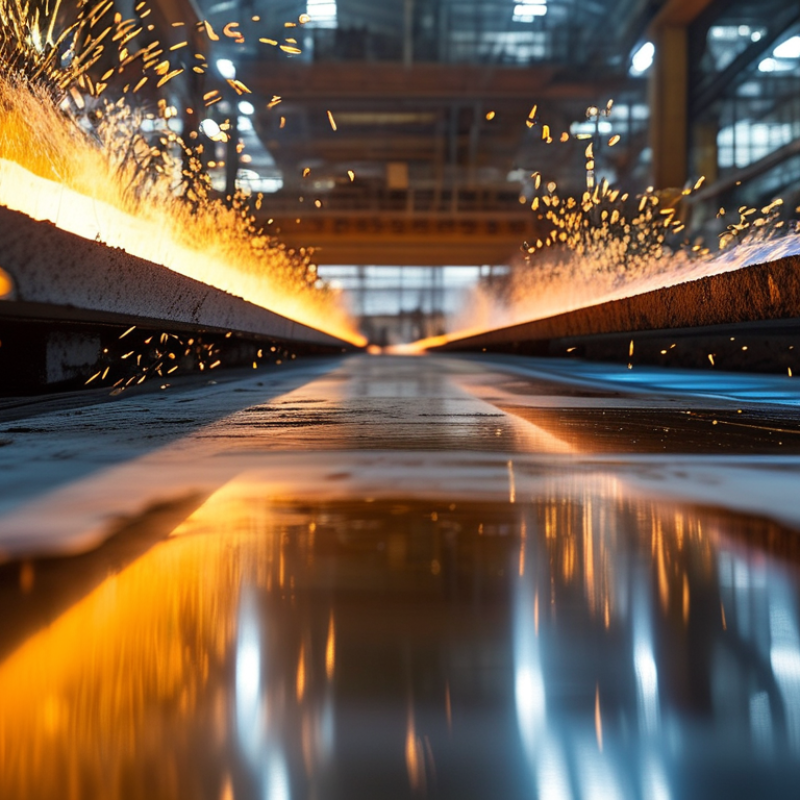
What is Glass Furnace Bottom Paving?
Glass furnace bottom paving refers to the process of constructing a durable and heat-resistant flooring on the bottom of glass melting furnaces. This paving protects the furnace structure and enhances its efficiency. Typically made from a combination of refractory materials, it withstands extreme temperatures. The design is crucial as it directly impacts the melt quality and energy consumption of the furnace.
The benefits of glass furnace bottom paving are significant. A well-executed paving reduces thermal loss and increases the life span of the furnace. Proper construction requires a high level of expertise and understanding of material properties. While paving can enhance performance, discrepancies in installation may lead to uneven heating or structural issues. It’s essential to consider the experience and skill of the installation team to avoid costly mistakes.
In conclusion, glass furnace bottom paving plays a critical role in the operation of glass melting furnaces. Ensuring the paving is done accurately can lead to improved efficiency and reduced operational costs. However, overlooking the installation process may create challenges down the line. The balance between performance and reliability is vital in this complex industry.
What is Glass Furnace Bottom Paving and Its Benefits?
| Dimension | Description |
| Material | High-quality refractory materials designed for durability. |
| Thickness | Typically ranges from 100 mm to 400 mm depending on furnace specifications. |
| Thermal Conductivity | Optimized for effective heat retention and energy efficiency. |
| Lifespan | Can last between 5 to 15 years based on usage and maintenance. |
| Benefits | Improves thermal efficiency, enhances product quality, reduces maintenance costs. |
| Installation | Requires specialized labor for optimal performance and safety. |
The Composition and Materials Used in Bottom Paving
Glass furnace bottom paving involves a carefully designed layer that protects the furnace floor. This layer is made from durable materials to withstand high temperatures and glass corrosion. Common compositions include alumina, silica, and zircon, which contribute to strength and longevity. Each material plays a key role in the overall performance. The choice of materials can impact the efficiency of glass production.
Tips for selecting materials: consider the thermal conductivity and chemical resistance of each option. A well-designed paving can enhance operational efficiency. Selecting the wrong materials may lead to reduced lifespan and increased maintenance costs.
Regular maintenance is crucial for Glass Furnace Paving. Over time, wear and tear can affect performance. Monitoring wear patterns helps in planning repairs or replacements. This proactive approach can save time and money. Balancing cost with quality is essential for optimal results.
Key Benefits of Glass Furnace Bottom Paving
Glass furnace bottom paving is an essential aspect of glass production, influencing efficiency and product quality. The paving material protects the furnace bottom and provides a stable foundation for glass melting. According to industry reports, high-quality paving materials can reduce energy consumption by up to 30%. This reduction directly impacts production costs and environmental sustainability, underlining the importance of investing in effective paving solutions.
One of the key benefits of glass furnace bottom paving is its thermal efficiency. Paving materials with high thermal conductivity ensure even distribution of heat. This leads to reduced hot spots, which can cause defects in glass quality. A study from the Glass Manufacturing Industry Council highlights that proper paving can increase the lifespan of the furnace. Additionally, the early detection of wear and tear in paving can prevent costly downtime during production.
However, not all paving solutions perform equally. Some materials may degrade faster than expected, leading to maintenance challenges. It's essential to consider the specific conditions of each furnace. Regular assessment and replacement of degraded paving can mitigate risks and uphold production efficiency. Investing in expert analysis can help manufacturers choose the right materials for their unique requirements. Balancing cost with longevity and performance remains a critical consideration for those in the industry.
Comparative Analysis: Traditional vs. Paved Bottoms
In the glass manufacturing industry, the choice between traditional furnace bottoms and paved bottoms has significant implications. Traditional bottom systems often use a simple refractory design, which can lead to uneven heat distribution. This results in higher energy consumption and costly downtime for repairs. A study by the Glass Industry Research Institute indicates that energy costs can be reduced by up to 20% with paved bottom systems due to their enhanced thermal efficiency.
Paved bottoms, constructed with advanced materials, form a robust Glass Furnace Sealing Layer Of Bottom. This layer not only improves heat retention but also minimizes wear and tear. Data from recent industry reports suggest that such pavements can extend furnace life by 30%. However, the initial investment for paving technology might deter some manufacturers. While long-term benefits are clear, upfront costs can be a challenge for smaller facilities.
Yet, a critical aspect often overlooked is the installation process. Paving requires skilled technicians and precise application. Mistakes during installation can lead to catastrophic failures, negating potential benefits. Industry feedback highlights that inadequate training can result in high rework rates. Thus, while the paved approach offers notable advantages, those considering it must weigh both the potential for increased efficiency and the risks involved in implementation.
Installation Process for Glass Furnace Bottom Paving
The installation process for Glass Furnace Bottom paving demands precision and expertise. First, it's essential to prepare the furnace foundation. This involves thorough cleaning to remove debris and contaminants. Skilled technicians assess the surface for imperfections. Any cracks or irregularities must be addressed before paving begins.
Once the foundation is deemed suitable, a high-temperature resistant material is selected for the Glass Furnace Bottom. This material should withstand extreme conditions. Technicians mix and apply the paving material in uniform layers. Ensuring even application helps maintain durability. Throughout the process, constant monitoring is vital to achieve the desired thickness and integrity.
After paving, the curing stage cannot be overlooked. This allows the material to set and bond effectively. Some challenges may arise during curing, such as temperature fluctuations. Proper ventilation is also crucial to prevent moisture issues. Each step in the installation process contributes to the longevity and performance of the Glass Furnace Bottom, highlighting the need for meticulous attention.
Maintenance and Longevity of Paved Bottoms
Maintaining the paving of glass furnace bottoms is crucial for operational longevity. High-quality paving materials can withstand extreme temperatures and mechanical stress. According to industry reports, properly maintained paved furnace bottoms can extend service life by up to 30%. Regular inspections and timely repairs help detect potential issues early.
Tip: Schedule routine maintenance checks every six months. This can help identify wear or thermal fatigue before it escalates into a major problem.
Paved bottoms also reduce thermal shock. A study shows that using efficient paving systems may lower energy consumption by 10-15%. This leads to cost savings and a reduced carbon footprint, which is essential for sustainable manufacturing practices.
Tip: Document all maintenance activities diligently. This practice provides insights that can improve future maintenance strategies. Regular data monitoring can pinpoint trends over time and enhance decision-making.
Future Trends in Glass Furnace Bottom Technology
The future of glass furnace bottom technology is set to evolve significantly. Industry reports predict a shift toward more sustainable materials that enhance thermal efficiency. Research shows that in the next decade, the adoption of advanced refractory materials could lead to a 20% reduction in energy consumption for glass production. This change not only reduces costs but also minimizes the carbon footprint associated with glass manufacturing.
Experts highlight the importance of innovation in Glass Furnace Port Bottom design. Enhanced durability and resistance to wear will be crucial as manufacturers look to minimize downtime and maintenance. The average lifespan of furnace bottom components currently hovers around 5-7 years, but forward-thinking designs could extend this to 10 years or more.
Tips: Consider using materials that provide better thermal insulation. This can greatly improve efficiency. Keep an eye on emerging materials that combine sustainability and durability. They can redefine furnace design and reduce long-term costs. However, challenges remain. Companies must invest in R&D to navigate the complex characteristics of new materials. Balancing cost and performance will be crucial in this evolving landscape.
FAQS
: It protects the furnace bottom and creates a stable foundation for glass melting.
High-quality paving can reduce energy consumption by up to 30%.
It ensures even heat distribution and minimizes defects in glass quality.
Routine checks should occur every six months to catch issues early.
Faster degradation can lead to maintenance challenges and costly production downtime.
Yes, it can extend service life by up to 30% when well maintained.
Indicators include thermal fatigue or visible wear during regular inspections.
Expert analysis of specific furnace conditions can guide material selection.
They can reduce thermal shock and lower energy consumption by 10-15%.
It provides insights that improve future maintenance strategies over time.
Conclusion
Glass Furnace Bottom Paving refers to the specialized process of laying a durable, heat-resistant surface at the bottom of glass furnaces to enhance efficiency and longevity. The composition of this paving typically involves advanced materials designed to withstand extreme temperatures and molten glass. Key benefits include improved thermal insulation, reduced operational costs, and enhanced safety measures compared to traditional unpaved bottoms.
The installation of Glass Furnace Bottom Paving involves meticulous planning and execution to ensure optimal performance. Maintenance protocols are essential for prolonging the lifespan of the paved bottom, and ongoing innovation in glass furnace technology is expected to further enhance the benefits and efficiency of this paving technique. Overall, Glass Furnace Bottom Paving represents a significant advancement in glass manufacturing processes, promising increased productivity and sustainability.