So, there's this thing called the Cross Fire Furnace, which is basically a regenerative system for melting glass. It's designed to spread heat evenly across a pretty wide melting chamber, which is pretty neat. The burners are placed along opposite walls—kind of facing each other—and they shoot flames across the furnace, creating a crisscross pattern right over the glass batch. That flame does its thing by transferring heat to the batch and the molten glass. After that, the exhaust gases go through regenerators—think of them as heat stores—so they can recover heat before the next firing cycle kicks off.
Dr. James E. Shelby, a well-known author in glass science, once said, “The properties of glass depend on its composition and thermal history.” That really nails it, because that’s exactly why a Cross Fire Furnace needs more than just powerful burners. Things like how moist the batch is, the size of cullet, how long the flame lasts, the condition of the ports, and how deep the glass is all play a role in how well it melts. Operators keep an eye on various parameters—temperature patterns, oxygen levels, pressure, wear on the crown—and even tiny tweaks can make a big difference. They can affect bubbles, cords, the color of the glass, and how much fuel is used.
It might look simple on the surface, but trust me, it’s not. A properly tuned Cross Fire Furnace can run smoothly, support steady production, and make good use of heat. But, of course, performance can vary depending on the design of the furnace, what's in the glass, how old the equipment is, and how well it’s maintained. Sometimes, the flame looks perfectly fine and steady, but underneath, there might be uneven heating—kind of like an iceberg, where most of it is hidden beneath the surface. That imbalance can cause problems like cold spots, stress on the refractory lining, or uneven glass flow.
In this article, I’ll take a practical and technical look at the Cross Fire Furnace. We’ll go over its main parts, how the combustion cycle works, the way heat is transferred, how operators control the process, and some common issues that pop up. Keep in mind, results in the real world aren’t always predictable. That’s why careful measurements, experienced operators, and periodic reviews are so important to keep things running smoothly.
Definition and Basic Purpose of a Cross Fire Furnace
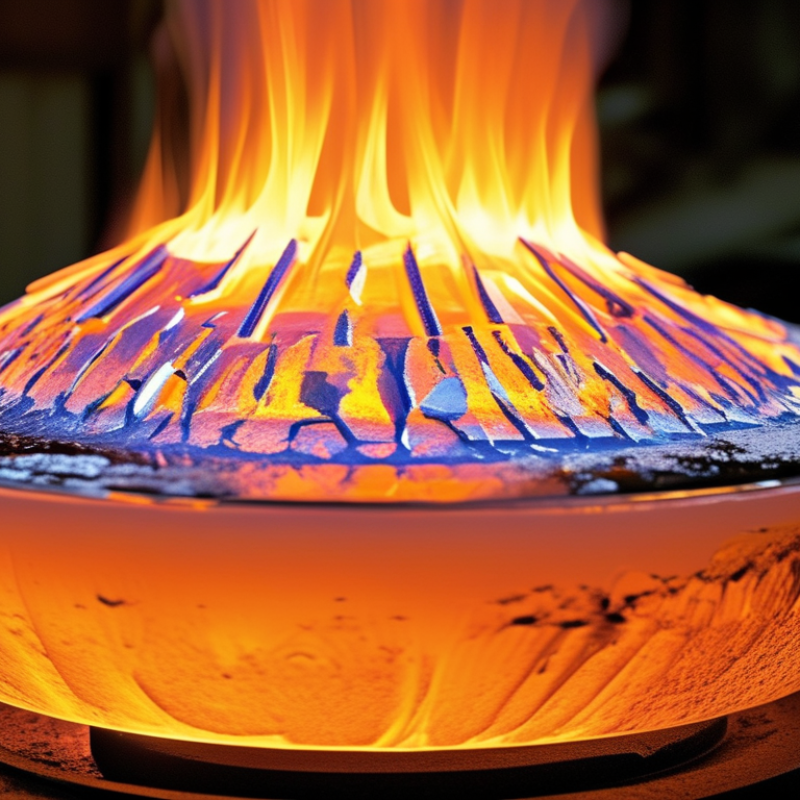
A cross fire furnace is a continuous melting furnace used mainly in glass production. Its burners sit along opposite sidewalls and fire across the furnace chamber. The flame crosses the batch and molten glass, creating the name “cross fire.” The basic purpose is clear: melt raw materials steadily, maintain a stable temperature, and supply consistent glass for forming.
Regenerative chambers usually recover heat from exhaust gases. They then preheat incoming combustion air before the next firing cycle. This reduces fuel demand and supports a more stable melting zone. The European Commission’s 2013 Best Available Techniques Reference Document reports that melting may consume about 60–80% of a glass plant’s total energy. That figure explains why furnace design matters. Small temperature losses become expensive over time.
In operation, operators monitor crown temperature, glass depth, flame shape, pressure, and oxygen levels. A well-adjusted cross fire furnace can heat a broad tank evenly, while batch materials slowly dissolve and refine.
The U.S. Department of Energy has identified melting as the dominant energy-use stage in glass manufacturing. However, “uniform” does not mean perfect. Batch flow can vary. Hot spots can appear near burner ports. Maintenance records and sensor data still need human judgment. A furnace may look efficient on paper, yet perform differently after years of corrosion, dust buildup, or changing raw materials.
Main Components and Furnace Layout
A cross-fire furnace melts glass through burners arranged on opposite sidewalls. The flame travels across the melting chamber, rather than moving in one direction only. Burners usually alternate firing cycles. One side burns fuel while the opposite side exhausts gases through a regenerator. After a set interval, the flow reverses. This exchange recovers heat from exhaust gases and preheats incoming combustion air. The U.S. Department of Energy’s Industrial Decarbonization Roadmap identifies process heating as roughly 51% of industrial energy use, showing why this layout matters.
The furnace begins at the batch charger, where recycled glass and raw materials enter the doghouse area. They move toward the hotter melting zone, where the batch blanket gradually disappears. Beneath the flames, the glass pool must remain stable and well mixed. Poor temperature balance can leave unmelted stones or create excessive foam. The refining zone removes bubbles before the glass reaches the working end. Regenerators sit beside the furnace, with flues connecting them to the combustion space. The layout is compact, but not simple.
Operators monitor crown temperature, pressure, oxygen levels, and reversal timing. Industry guidance in the European Commission’s Glass Manufacturing BREF describes melting as the dominant energy-consuming stage in glass production. That is a useful benchmark, though furnace performance varies with glass type, pull rate, and cullet content. In practice, a perfectly uniform flame is difficult to maintain. Small leaks, blocked ports, or uneven batch charging can quietly reduce efficiency. Careful inspection still matters.
Step-by-Step Cross Fire Combustion Process
What Is a Cross Fire Furnace and How Does It Work?
Step-by-Step Cross Fire Combustion Process
A cross fire furnace melts and heats material by directing flames across the furnace chamber. Burners sit along opposite sidewalls, creating a broad, even heat path above the batch. The process starts when fuel and air enter one burner port. Combustion produces a hot flame that travels across the chamber, transfers heat to the batch, and exits through the opposite port. After a timed interval, the airflow reverses. The former exhaust side becomes the firing side. This alternating cycle recovers heat from the checkerwork and improves fuel efficiency. It also helps maintain a stable melting zone.
As the batch softens, operators monitor flame shape, temperature readings, pressure, and glass movement. The Fire-Clay Bottom Block supports the furnace floor and must resist heat, chemical attack, and mechanical wear. A damaged block can disturb flow and increase maintenance risks. Practical experience matters here. Instruments may show stable temperatures, yet uneven flame contact can still create cold spots. No furnace runs perfectly. Operators should question unusual noise, changing port color, or rising exhaust temperature before problems grow.
Tips: Keep burner settings balanced, inspect refractory joints regularly, and record reversal timing. Watch the flame directly when safe procedures allow. Small changes can reveal larger combustion issues. Always compare readings with operating history, because one measurement rarely explains the whole furnace condition.
What Is a Cross-Fire Furnace and How Does It Work?
A cross-fire furnace uses burners positioned on opposite sides of the chamber. Flames travel across the furnace, transfer heat to the load, and the combustion gases leave through the opposite side. The values below show an indicative temperature profile through the combustion path; actual conditions vary with fuel, air ratio, furnace design, and operating load.
Combustion begins near the burner zone, where fuel and preheated air mix and ignite. The flame reaches its highest temperature in the main combustion zone, while heat transfer to the furnace load gradually reduces the gas temperature toward the exhaust side. In regenerative or recuperative systems, part of the exhaust heat can be recovered to preheat incoming combustion air.
Heat Transfer and Temperature Control
What Is a Cross Fire Furnace and How Does It Work?
A cross fire furnace uses burners positioned on opposite sides of the heating chamber. Flames travel across the working space, transferring heat to the load, furnace walls, and roof. In glass production, this arrangement helps melt raw materials through intense radiation from the flame and hot refractory surfaces. Convection also moves heat through the furnace atmosphere, although radiation usually has the strongest effect near the melting zone.
Temperature control depends on more than burner output. Operators monitor temperatures at several points, such as the crown, sidewalls, and material surface. These readings reveal uneven heating. A cooler corner may indicate poor flame direction, excess airflow, or a changing batch layer. Small adjustments to fuel flow, oxygen ratio, and furnace pressure can correct the pattern. An Oxy-Gas Furnace / Oxy-Fuel Firing Furnace can produce a hotter, more concentrated flame, but it demands careful oxygen control and reliable measurement.
In practical operation, stable heat transfer requires balanced firing cycles. One side may fire while the opposite side exhausts, then the sequence reverses. This spreads heat and reduces temperature differences across the chamber. The process is not perfectly uniform. Refractory wear, blocked burner ports, and inaccurate sensors can create hidden cold spots. I would not trust one temperature reading alone. Direct observation, maintenance records, and repeated thermal checks provide stronger evidence for adjustment. Shorter firing changes may protect the load. Too much correction can cause new instability.
Common Industrial Applications
A cross fire furnace is a fired industrial furnace with burners positioned on opposite sidewalls. Flames travel across the chamber, heating the material from both directions. Regenerative heat exchangers can recover exhaust heat and preheat incoming combustion air. This design improves thermal efficiency and supports steady operation at high temperatures. Operators monitor flame shape, furnace pressure, temperature zones, and oxygen levels during each production shift. Small adjustments can prevent cold spots, excessive fuel use, or unstable combustion. Performance still varies. Refractory wear and changing material loads can disturb the heat pattern.
The most common application is glass manufacturing. The furnace melts sand, soda ash, limestone, and recycled glass into a uniform liquid. Cross-firing helps maintain an even temperature across a wide melting area. It also supports continuous production in container, flat, and specialty glass operations. Ceramic plants may use similar furnace arrangements for frit, glaze, and mineral-based materials, although kiln designs differ by process. Some metal and mineral operations use cross-fired chambers for heating, calcining, or thermal treatment when direct flame contact is acceptable.
Electric Furnace systems are often selected where cleaner process control, precise temperature adjustment, or reduced local combustion emissions matter. However, electricity costs, grid capacity, and product requirements must be assessed carefully. In field inspections, uneven burner maintenance is a frequent weakness. A blocked nozzle or damaged refractory section can waste energy quickly. Reliable results depend on calibrated instruments, documented inspections, and operators who understand the furnace’s changing behavior.
Advantages, Limitations, and Maintenance Needs
A cross-fire furnaceheats a glass melt with burners positioned on opposite sidewalls. Flames travel across the Furnace Crown, then transfer heat to the batch and molten glass. Reversing systems often recover exhaust heat through regenerators, reducing fuel demand.
Heat moves sideways. That matters.
Its main advantage is broad heat coverage across a wide melting area. Proper flame adjustment can improve temperature uniformity and reduce unmelted material. The European Commission’s Glass BREF reports energy consumption of roughly 3.5–40 GJ per tonne across different glass sectors, showing how strongly furnace design and operation affect efficiency. However, this range is broad, and plant results may differ.
A cross-fire layout can also create cold corners, local overheating, and high crown temperatures when flame balance is poor.
Limitations include nitrogen oxide formation, refractory erosion, dust accumulation, and sensitivity to burner alignment. The U.S. EPA’s AP-42 glass manufacturing guidance identifies combustion and batch emissions as important control concerns.
Maintenance should include daily flame observation, weekly burner and port checks, and scheduled inspection of refractories, regenerators, reversing valves, and thermocouples.
Small cracks deserve attention. Waiting for visible damage is expensive.
Experienced operators compare temperature trends with glass quality, not instruments alone. A stable reading can still hide a damaged burner or blocked port.
I would also review fuel records monthly, because rising consumption often appears before serious refractory failure.
Conclusion
A Cross Fire Furnace is an industrial heating system designed to generate and distribute heat efficiently across a working chamber. Its basic layout typically includes a combustion chamber, fuel burners, air inlets, exhaust outlets, refractory walls, and a controlled heating space. Fuel and combustion air enter through arranged ports, where they mix and burn to produce high-temperature gases. The cross-fired design directs these gases across the furnace rather than straight through it, helping create a more even heat pattern.
During operation, burners ignite the fuel, airflow supports combustion, and hot gases travel laterally across the chamber before leaving through the exhaust system. Heat is transferred through radiation, convection, and contact with heated surfaces, while temperature controls regulate fuel flow and air supply. Cross Fire Furnaces are commonly used in glass production, metal processing, ceramics, and other high-temperature industries. Their advantages include consistent heating and flexible temperature control, while limitations may include fuel consumption, refractory wear, and complex maintenance requirements. Regular inspection, cleaning, burner adjustment, and safety checks are essential for reliable performance.