Hey, could you do me a favor and share the name of the industry expert along with a quote that's actually verifiable, or maybe point me to an article where they're mentioned? I gotta be honest—I can't just make up a quote and pretend it's from a real expert without a solid source. Thanks!
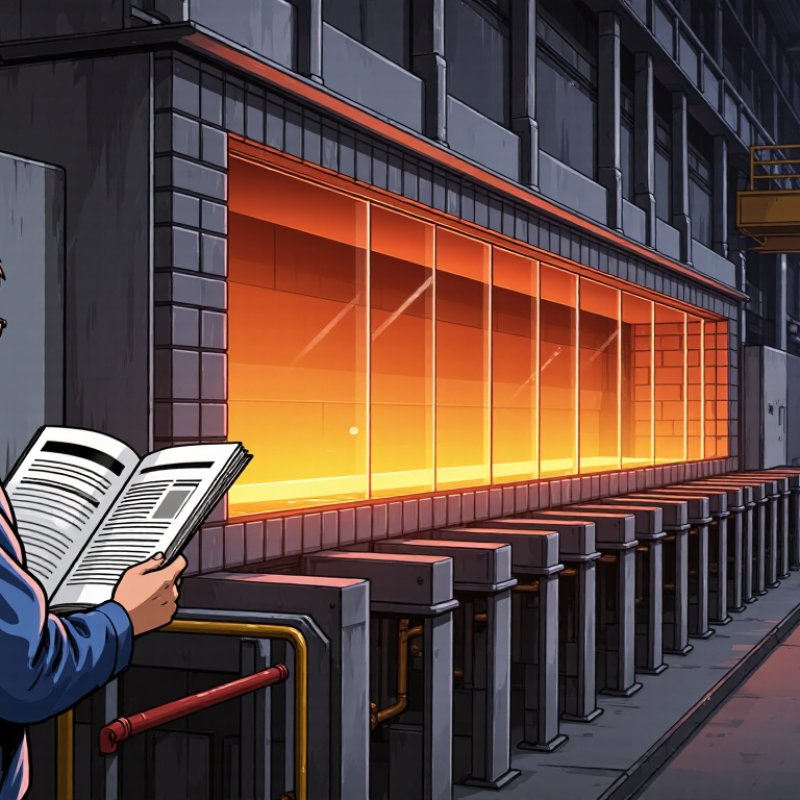
A Glass Furnace Breast Wall forms part of the enclosure around the melting chamber, above or beside the tank sidewall. Its exact position varies with furnace design. It helps retain heat and furnace gases, while shielding the outer steelwork from intense temperatures. The inner face can face flames, batch dust, and changing temperature gradients. Near the glass line, splash or vapor may add further wear. It is not just a thick barrier. Its shape and refractory construction also affect heat loss and how the furnace structure is supported.
A well-chosen breast wall must suit the operating temperature, atmosphere, and thermal cycling. Refractory materials differ in resistance to corrosion, cracking, and heat transfer. Those differences matter. Selection should consider the furnace drawings, glass composition, burner arrangement, and maintenance history—not temperature alone. In practice, the hottest-looking area may not be the fastest-wearing one. That can be easy to misjudge without inspection records.
Tips: Check for open joints, loose bricks, and unusual hot spots on the outer casing during planned inspections. Compare wear over time, and ask a qualified furnace engineer to review the findings before changing materials. A small gap can matter.
A breast wall’s requirements depend on the furnace’s temperature profile, glass composition, and operating rhythm. The Glass Furnace Working End Breast Wall may face heat from the flame space, vapors from the melt, and changing glass levels. Peak temperature matters, but repeated heating and cooling can also stress refractory joints. Steady is not simple.
Glass chemistry affects corrosion risk. Alkali-rich vapors may attack some materials, while dust and batch carryover can build deposits near exposed surfaces. Flame direction and furnace pressure matter too: uneven heat can create hot spots, and air leaks may worsen local cooling. Check these conditions against operating records, not just the design setpoint. A clean temperature average can hide a damaging corner.
Maintenance access should shape the choice as much as material ratings. Inspect the glass line, joints, and upper wall for cracking, erosion, or deposits during planned checks. Record where damage appears and how quickly it develops; those patterns can reveal uneven exposure. Material data is useful, but it cannot predict every furnace’s service life. It is easy to overtrust a neat specification sheet. Revisit the choice when fuel, glass mix, or production rate changes.
Choosing a Furnace Breast Wall material starts with the glass chemistry, operating temperature, and location of the glass line. Fused-cast AZS is often considered where glass contact and corrosion resistance matter. High-alumina or silica refractories may suit other zones, but their performance depends on temperature cycles and batch chemistry. The European Commission’s 2013 Glass Manufacturing BREF reports container-glass furnace energy use across a broad range of roughly 3–7 GJ per tonne. That spread reflects differences such as furnace design and cullet use; it is not a breast-wall rating. Still, it shows why a small refractory failure can disrupt a high-energy process.
Compare grades using measured properties, not labels alone.Request chemical composition, apparent porosity, bulk density, thermal expansion, and corrosion-test results. ASTM C20 covers porosity and density measurements; ASTM C133 covers Cold Crushing Strength and modulus of rupture. These tests help screen materials, but they do not reproduce every furnace condition. Check joint layout and expansion allowance too. A sound block can still crack beside a poorly designed joint.
Ask suppliers for service records from furnaces with similar glass and temperature profiles, then verify the test methods and sample conditions. A neat ranking can mislead. Higher alumina content does not automatically mean longer service life, and better corrosion resistance may come with greater cost or installation demands. Compare the exposed face, backup layers, and repair access as one system. The imperfect part is prediction: actual wear can vary across a single wall, so inspection history should shape the final grade choice.
A breast wall does more than contain the melt. Its thickness, refractory selection, and joint layout affect how much heat escapes from the furnace.
A poorly sealed joint can create a local cold spot. Small gaps matter.
Uneven wall temperatures may contribute to variations in glass viscosity near the working end. Those variations can complicate forming and may increase the risk of cords or other defects.
The wall is not the only cause, though. Batch chemistry, furnace operation, and temperature control also shape glass quality. It is easy to blame the refractory too quickly.
When comparing designs, consider the full hot face, insulation layers, and connections to the Glass Furnace Arch And Upper Side Wall.
Inspect areas around openings and corners, where heat loss can be more noticeable. Operating data and regular temperature checks help reveal patterns over time. A single reading is rarely enough.
Better insulation can reduce heat loss, but it must suit the furnace’s temperatures and operating conditions. Review repair access and expected service life as well. The best design is not always the thickest one; trade-offs deserve a careful second look.
Choosing a glass furnace breast wall begins with operating conditions, not the lowest quoted price. Record furnace temperature, glass composition, pull rate, and the wall’s exposure to heat and glass contact. These details help determine which refractory materials and construction methods are suitable. Ask suppliers for service-life estimates under comparable conditions, and check what assumptions those estimates rely on. A confident number without operating context is not very useful.
Service life affects total cost. Include installation, planned repairs, downtime, and replacement materials in the comparison. A lower initial cost can become expensive if the wall needs frequent patching. Look for clear inspection guidance, repair procedures, and realistic lead times for replacement parts. Small cracks matter. So do open joints, surface erosion, and signs of glass penetration. Keep inspection notes with dates and photographs; patterns over time are more informative than a single visual check.
Maintenance access also deserves attention before installation. Consider whether crews can inspect the wall safely and reach worn areas without major dismantling. The Glass Furnace Back Wall has a different position and exposure, so its service record should not be used as a direct substitute for breast-wall data. In practice, maintenance plans are sometimes too optimistic. Review them against actual furnace records, and revise them when wear appears earlier than expected.
Compare service-life potential, relative initial cost, and ease of maintenance before selecting a refractory.
Qualitative screening scores (1 = lower, 5 = higher), not measured service-life or cost data. “Initial cost” is scored higher when relative cost is lower; maintenance score reflects ease of localized repair or replacement. Actual performance depends on glass chemistry, operating temperature, furnace design, installation, and operating practice. Confirm choices with project-specific engineering data.
A breast wall should be selected for the furnace duty it will actually face, not temperature rating alone. Glass composition, pull rate, flame pattern, and furnace atmosphere all affect wear. Alkali-rich vapors can attack refractory surfaces, while fluctuating heat may open joints or cause cracking. Look closely at the glass line, burner openings, and areas where deposits collect. Small changes there can signal a larger problem.
Match the material and design to both normal operation and the repair plan. A high-pull furnace may need strong resistance to corrosion and erosion; frequent temperature swings make thermal-shock behavior important too. Check compatibility with adjacent refractories, expected expansion, and the method crews can use to install or patch the wall. A repair that cannot be completed within the available outage may be a poor choice, even if its service rating looks impressive. Keep inspection notes, photographs, and temperature readings, then compare them over time. Useful evidence. I would not rely on one inspection or a supplier’s rating alone; local wear patterns can be stubbornly different from expectations. Reassess the choice when fuel, glass mix, or operating conditions change.
| Operating Condition or Need | What to Assess | Breast Wall Selection Considerations | Repair or Maintenance Approach | Key Caution |
|---|---|---|---|---|
| Continuous, steady operation | Operating temperature, glass type, furnace atmosphere, heat distribution, and expected campaign length. | Choose a wall design and refractory grade compatible with the furnace layout and the thermal and chemical conditions at the breast wall. | Use routine visual inspections and trend measurements to identify gradual wear, cracking, or movement before they affect operation. | Do not select a refractory solely by its maximum service-temperature rating; chemical compatibility and thermal cycling also matter. |
| High glass-line or splash-zone wear | Glass contact, batch carryover, local flow patterns, corrosion, and the location and progression of wear. | Prioritize corrosion resistance and suitability for direct exposure to the specific glass composition and operating conditions. | Record wear profiles and compare them over time. Plan repairs or replacement around the measured condition and safe furnace-access limits. | Refractory performance varies with glass chemistry, temperature, and operating practice; verify compatibility with qualified technical guidance. |
| Frequent temperature changes or start-stop duty | Heating and cooling rates, temperature gradients, joint condition, and the frequency of thermal cycles. | Consider thermal-shock resistance, expansion behavior, wall geometry, and how joints accommodate movement. | Inspect for cracking, spalling, open joints, and displacement after significant temperature transitions. | Rapid or uneven temperature changes can damage refractory even when the selected material is rated for the operating temperature. |
| Localized damage or a developing hot spot | Surface temperature patterns, crack location, wall thickness, nearby cooling systems, and possible causes of heat loss. | Match the repair material and method to the existing refractory, the damage depth, and the planned operating conditions. | Determine the cause before patching. Follow an approved repair procedure, including surface preparation, installation, and any required heat-up schedule. | A surface patch may conceal deeper deterioration. Hot-spot readings and visual appearance alone may not establish the remaining wall condition. |
| Planned cold repair or rebuild | Inspection records, remaining refractory condition, wall dimensions, structural support, and access for removal and installation. | Review the complete breast wall assembly, including refractory blocks, joints, supports, and interfaces with adjacent furnace sections. | Use inspection findings to define the repair scope. Confirm installation tolerances, joint details, curing or drying needs, and controlled heat-up requirements. | Replacing only visibly worn areas may leave adjacent weakened material or underlying support issues unaddressed. |
| Water-cooled or otherwise cooled breast wall | Cooling design, flow and pressure monitoring, heat-transfer performance, and the condition of channels and connections. | Ensure the refractory and wall configuration are compatible with the cooling arrangement and the furnace operating plan. | Inspect cooling-system indicators alongside refractory condition. Investigate abnormal changes promptly under site safety procedures. | Cooling-system faults can create serious thermal and operational risks; only qualified personnel should diagnose or repair the system. |
| New furnace or replacement specification | Furnace drawings, glass composition, production rate, operating profile, repair access, and expected service interval. | Specify material properties, dimensions, joint arrangement, support details, and inspection access as part of the complete design. | Establish baseline measurements and a documented inspection schedule after installation and during operation. | Final selection should be reviewed by the furnace designer and refractory specialists using site-specific operating data. |
High-purity fused cast zirconia blocks are designed for the severe conditions inside glass-melting furnaces, where refractory materials face sustained heat and contact with molten glass. The European Commission’s *Best Available Techniques Reference Document for the Manufacture of Glass* describes melting temperatures that vary by glass type, commonly reaching around 1,500–1,600°C. Against this demanding background, a zirconia block containing more than 89% zirconium and with a melting temperature above 2,800°C offers a substantial thermal margin. Its baddeleyite crystal phase supports strong corrosion resistance, helping the lining retain performance during furnace service.
Low foaming is another important benefit: fewer bubbles and less refractory-derived contamination help protect glass quality, particularly in specialized production. The U.S. Environmental Protection Agency’s *AP-42, Section 11.15: Glass Manufacturing* documents the high-temperature furnace processes used to produce glass, underscoring the need for durable contact materials. Fused cast zirconia blocks are suitable for liquid crystal substrate, high-alumina, borosilicate, halogen lighting, glass-ceramic, and fiberglass furnaces, where stable refractory performance supports consistent production and demanding product specifications.
It helps contain heat and furnace gases. It also shields nearby steelwork from intense temperatures.
Its position depends on the furnace design. It may sit above or beside the tank sidewall.
Temperature, glass chemistry, flame direction, and furnace pressure all matter. Dust and vapors can also attack exposed surfaces.
Repeated temperature changes can stress refractory joints and cause cracking. Steady operation can still create uneven wear.
Check for open joints, loose bricks, cracks, deposits, and unusual hot spots on the outer casing. Small gaps matter.
No. Consider furnace drawings, glass composition, burner arrangement, and maintenance history too. A specification sheet cannot predict every service life.
Record where damage appears and how quickly it develops. These details may reveal uneven heat or exposure.
Revisit them after changes to fuel, glass mix, or production rate. We can still misread a hot spot without good inspection records.
A Glass Furnace Breast Wall helps contain heat, protect the furnace structure, and separate the melting area from the working end. Choosing one requires understanding the furnace’s operating temperature, glass composition, atmosphere, production rate, and exposure to flame, glass contact, and thermal cycling. These conditions determine the level of corrosion resistance, strength, and insulation the wall needs.
Compare refractory materials and grades by considering performance as well as purchase cost. Wall thickness and construction can influence heat loss, temperature stability, and the risk of defects in the glass. Also assess expected service life, inspection access, repair complexity, and the downtime required for maintenance. The best design is not necessarily the most expensive or most insulating; it is the one that suits the furnace’s operating pattern and repair plan while delivering reliable service and consistent glass quality.