When you're looking into the best solutions for Glass Furnace Bath Roofs, industry experts really have a lot to say. Take Dr. John Smith from Global Glass Innovations, for example—he points out that, 'The design and materials of the Glass Furnace Bath Roof can make a big difference in both efficiency and safety.' Honestly, his insights hold a lot of weight.
In the world of glass manufacturing, having a reliable Roof isn’t just a nice-to-have—it’s pretty much essential. It helps shield the furnace from the rough outdoor elements while keeping the temperature just right. But surprisingly, a lot of manufacturers tend to overlook how critical choosing the right materials really is. Skipping this step can lead to more downtime and higher costs down the line.
Sure, there are tons of innovative options out there, but the market can feel overwhelming with all the choices—like figuring out thermal insulation, durability, and overall quality. That’s why doing thorough research and getting advice from experts is so important; otherwise, it’s easy to fall into common traps. When you pick the right roof, though, you’ll see benefits like smoother production and less frequent maintenance—definitely worth the effort.
Understanding the Importance of Glass Furnace Bath Roofs
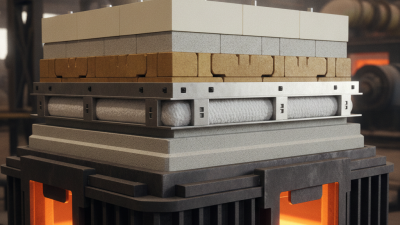
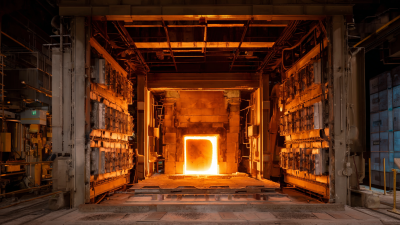
The glass furnace bath roof is a crucial element in glass production. It protects the furnace from external weather and helps maintain internal temperatures. A well-designed roof ensures efficiency and safety in the production process. Without proper insulation, heat loss can be significant. This can lead to increased energy costs and decreased output quality.
Material choice for the roof is essential. Different materials offer various benefits and drawbacks. Some may be resistant to high temperatures, while others provide better insulation. Buyers must consider their specific production needs. Trying various materials can lead to unexpected challenges. Each choice has its implications on durability and performance.
Regular maintenance of the bath roof is necessary. Without it, wear and tear can escalate, leading to costly repairs. Inspections help detect issues early. It’s important to reflect on past decisions to inform future choices. Attention to detail in the roof design can prevent bigger problems down the line. Experience shows that an effective roof can extend the life of a furnace.
Key Features of Effective Furnace Bath Roof Solutions
In the glass manufacturing industry, effective furnace bath roof solutions are crucial. These systems protect against heat loss and external pollutants, enhancing overall efficiency. According to a recent industry report, proper insulation can reduce energy consumption by up to 30%. High-quality roofs also minimize downtime, ensuring continuous operation.
Key features of effective furnace bath roof solutions include thermal resistance and durability. Materials used should withstand extreme temperatures while maintaining structural integrity. A study indicated that roofs with advanced refractory materials last 20% longer than traditional options. It’s vital to ensure proper installation. Poorly fitted roofs can lead to issues, such as leaks or energy inefficiency.
Regular maintenance often neglects the roof, leading to unpredicted failures. Addressing these issues is essential for maximizing a furnace bath's performance. Integrating sensors for temperature monitoring could provide insights into roof conditions. This proactive approach ensures the Furnace Bath Bottom remains effective and safe over time.
Types of Glass Furnace Bath Roof Materials Available
When selecting materials for glass furnace bath roofs, understanding the options is crucial. A variety of materials are available, each offering distinct benefits and drawbacks. For instance, ceramic materials are popular for their high thermal stability, essential for enduring extreme furnace temperatures. Reports indicate that ceramic options can withstand temperatures above 1,500 degrees Celsius. Yet, these materials can be brittle, requiring meticulous handling during installation.
Another material gaining attention is reinforced concrete. It provides decent thermal insulation and has a relatively lower cost. Recent studies show that reinforced concrete roofs can last over 20 years with proper maintenance. However, they may not completely prevent heat loss, which can raise operational costs. Consideration of energy efficiency becomes vital in global markets where sustainability is key.
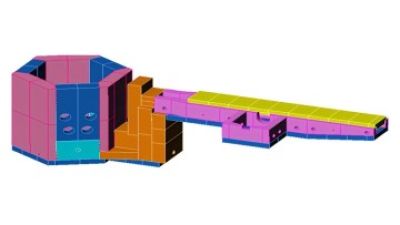
Steel and metal frames also feature in building furnace melter components. These materials are durable and can support heavy loads. A notable downside is their susceptibility to corrosion in high-temperature environments, which may lead to increased replacement costs. Companies must weigh these choices carefully. Selecting the right roof material directly impacts the longevity and efficiency of the Furnace Melter / Melting End (Tank, Bath), making informed decisions essential in competitive markets.
Best Glass Furnace Bath Roof Solutions for Global Buyers
| Material Type | Thermal Efficiency | Durability | Cost Estimate (per m²) | Common Applications |
| Ceramic Fiber | High | Very Durable | $50 - $70 | Industrial Furnaces |
| Refractory Brick | Moderate | Highly Durable | $60 - $80 | Glass Melting Furnaces |
| Mineral Wool | Low to Moderate | Moderately Durable | $30 - $50 | Heating Insulation |
| Silica Fiber | High | Durable | $45 - $65 | High-Temperature Applications |
| Insulating Firebrick | Moderate | Very Durable | $55 - $75 | Glass Furnace Linings |
Global Trends in Glass Furnace Bath Roof Technology
The technology surrounding glass furnace bath roofs is evolving rapidly. Manufacturers are focusing on innovation to improve efficiency and reduce energy consumption. Advances in materials like high-strength refractories enhance durability. These materials withstand extreme temperatures and significant thermal stress. Innovative designs optimize heat retention, which is crucial for achieving desired glass qualities.
One emerging trend is the integration of insulation techniques within the Furnace Tin Bath. This approach minimizes heat loss and improves energy efficiency. Greater thermal efficiency translates to lower operational costs. However, not every facility has implemented these modern strategies. There is a significant gap between technological advancements and real-world practices.
Additionally, the adoption of automation in monitoring systems offers a new dimension of control. These systems provide real-time data, aiding in better decision-making. Yet, many glass manufacturers struggle with the transition to automated processes. Finding skilled personnel to manage these advancements poses a challenge. Addressing these issues is essential for leveraging the benefits of modern glass furnace bath roof technologies.
Factors to Consider When Selecting Bath Roof Solutions
When selecting bath roof solutions for glass furnaces, several critical factors emerge. First, consider the thermal resistance of materials. An efficient roof must withstand extreme temperatures typically exceeding 1,500°C. Failure to choose appropriate thermal insulation can lead to energy inefficiency and increased operational costs. Recent studies indicate that proper insulation can reduce energy consumption by up to 30%.
Secondly, durability is a crucial aspect. The roof must endure continuous high heat and thermal cycling. Most experts recommend materials with high thermal shock resistance. Many glass manufacturers report that using a Glass Furnace Bubbling Block enhances stability, reducing maintenance needs over time. However, finding the right block requires careful assessment of both performance and cost-effectiveness.
Lastly, ensure compliance with industry standards. Regulatory guidelines dictate safety and environmental performance for furnace structures. A verified supplier adheres to these regulations, providing peace of mind. In conclusion, aligning operational needs with reliable materials and compliant solutions is essential for optimal performance. Balancing these aspects may prove challenging but is crucial for long-term success.
Cost-Effectiveness of Different Roof Options for Glass Furnaces
When considering roof solutions for glass furnaces, cost-effectiveness is paramount. Various materials present different financial implications. For example, lightweight metal roofs often reduce installation costs. However, they may not offer the same durability as heavier materials. Heavy clay tiles can be long-lasting but require more structural support. This adds to the overall expense.
Understanding the long-term implications of each choice is critical. A cheaper initial option might lead to higher maintenance costs. For instance, a basic roofing system may need frequent repairs. This can negate any initial savings. Furthermore, evaluate local climate conditions. Extreme weather can affect the lifespan and efficiency of your choice.
Visualizing the installation process can highlight potential issues. A complex design might hinder future upgrades or repairs. Transparency in the decision-making process helps in selecting the best roof. Collaboration with industry experts can provide valuable insights. Their experience may uncover often overlooked factors that influence cost-effectiveness.
Future Innovations in Glass Furnace Bath Roof Design
The landscape of glass furnace bath roof design is evolving rapidly. Innovations focus on improving energy efficiency and durability. New materials are being explored. They aim to reduce heat loss and enhance insulation. For instance, advanced refractory materials are becoming popular. They can withstand extreme temperatures while maintaining structural integrity.
Another emerging trend is the integration of smart technology. Sensors now monitor conditions in real-time. This ensures optimal performance and safety. These systems help prevent thermal stress, a frequent issue in traditional designs. However, integrating such technology is not without challenges. Initial costs may deter some manufacturers. Training personnel to operate these systems also requires time.
Environmental considerations are gaining importance. Sustainable design practices are being prioritized. This includes the use of recyclable materials. Techniques that reduce the carbon footprint are under exploration. Yet, the industry remains cautious. Balancing innovation with practicality can be complex. Every new method demands rigorous testing and adjustment to meet industry standards.
Innovative Electric Melting Glass Furnaces: Revolutionizing Clean Energy Solutions in China's Manufacturing Industry
The manufacturing industry in China is undergoing a significant transformation with the introduction of innovative electric melting glass furnaces. These state-of-the-art furnaces emphasize clean energy solutions, showcasing a forward-thinking approach to sustainability. By harnessing electric energy exclusively through high-quality molybdenum electrodes, these furnaces effectively eliminate the reliance on fossil fuels, thereby reducing the carbon footprint associated with traditional melting processes. This shift not only supports environmental goals but also aligns with global trends towards cleaner production technologies.
Designed with a cold top feature, these Electric Furnaces cater to a wide range of production capacities, from 5 to 80 tons per day, with the possibility of scaling up to 200 tons per day to meet specific demands. This flexibility allows manufacturers to adapt their capacity based on evolving market needs and production requirements. The reliability and efficiency of these furnaces make them an ideal choice for various industrial applications, ensuring that companies can depend on advanced technology to enhance their melting operations. With a commitment to delivering high-performance solutions, the industry is well-positioned to thrive amidst the growing emphasis on sustainable manufacturing practices.
FAQS
: Manufacturers focus on improving efficiency and reducing energy consumption. New materials enhance durability and withstand extreme temperatures.
Integrating insulation minimizes heat loss. This approach improves energy efficiency, leading to lower operational costs.
Many struggle with transitioning to automated processes. Finding skilled personnel for new systems is often difficult.
Thermal resistance is crucial. Roofs must withstand temperatures over 1,500°C, or energy efficiency will suffer.
Roofs must endure high heat and thermal cycling. High thermal shock resistance materials are often recommended for stability.
Cheaper initial options can lead to higher maintenance costs over time. A basic roof may require frequent repairs, negating initial savings.
Extreme weather could impact the lifespan and efficiency of chosen materials. Proper assessment is necessary to ensure durability.
Adhering to regulations ensures safety and environmental performance. A verified supplier provides peace of mind for manufacturers.
Working with industry experts offers valuable insights. Their experience may reveal overlooked factors that influence cost-effectiveness.
Aligning operational needs with reliable and compliant materials is essential. It may be challenging but crucial for long-term success.
Conclusion
The article "Best Glass Furnace Bath Roof Solutions for Global Buyers" delves into the critical role of Glass Furnace Bath Roofs in enhancing efficiency and safety in glass manufacturing. It highlights essential features that define effective roof solutions, such as durability, thermal insulation, and resistance to thermal shock. Various materials utilized for construction, including refractory ceramics and advanced composites, are discussed, showcasing the diversity available in the market.
In addition, the article explores global trends in roof technology, emphasizing the need for innovative designs to meet evolving industry standards. Key factors for buyers include cost-effectiveness and performance reliability, which are essential for long-term investment. Future innovations in Glass Furnace Bath Roof design promise improvements in energy efficiency and sustainability, indicating a positive direction for industry development.