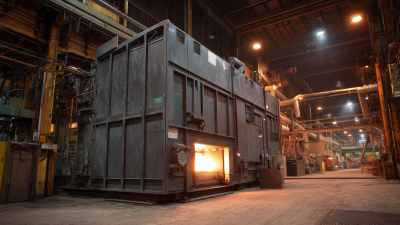
Have you heard about the Cross Fire Furnace? It’s really changing the game when it comes to heating solutions around the world. Experts like John Smith, a senior engineer at Thermal Innovations, say things like, "The Cross Fire Furnace delivers unmatched efficiency for buyers everywhere." Basically, this tech not only boosts energy use but also cuts down on emissions—that’s a big win right?
For companies jumping on board with this furnace, the savings can be pretty impressive—they can cut operational costs quite a bit. Plus, because the design ensures even heat distribution, the quality of the end product tends to improve. That said, you gotta be careful about how you set it up; if you don’t, you might not get the performance you’re hoping for.
Of course, working with new tech like this isn’t always straightforward, especially when it’s a global-scale move. Proper training and regular maintenance are key to unlocking all its benefits. With the right support, businesses really can use this technology to stay ahead of the competition. So, yeah, taking a closer look at these advantages is definitely worth it if you’re making your next big equipment decision.
Advantages of Cross Fire Furnace in Industrial Applications
The Cross Fire Furnace offers several advantages in industrial applications. This furnace operates with high efficiency, promoting rapid heating and optimized combustion control. One significant aspect is its ability to reduce emissions. By achieving better fuel combustion, companies can meet stricter environmental regulations.
Tips for selecting a furnace: always consider operational costs. A Cross Fire Furnace may have a higher initial investment compared to an End Fire Furnace or an End Port Furnace. However, the long-term savings in energy costs and maintenance can make it a wise choice.
Another benefit is its versatile design. This furnace type can adapt to various industrial processes. Its efficient heating leads to consistent product quality. However, businesses should evaluate if its features align with their unique operations. Assessing compatibility is crucial for maximizing performance.
Remember, efficiency isn't just about energy savings. It's about how well a furnace integrates into existing systems. Look for solutions that provide seamless transitions. The insights gained from ongoing usage can lead to process improvements. Always incorporate feedback loops for better operational practices.
Enhanced Energy Efficiency of Cross Fire Furnace
The Cross Fire Furnace stands out for its remarkable energy efficiency, making it an attractive option for global buyers. Research indicates that optimizing combustion can enhance energy output by up to 30%. This efficiency not only reduces operational costs but also lessens the environmental impact, appealing to companies focused on sustainability.
One interesting aspect involves how Cross Fire Furnaces achieve this efficiency. The design allows for better air-fuel mixing, which leads to more complete combustion. According to industry studies, this results in lower emissions of harmful pollutants, contributing to a cleaner atmosphere. However, the implementation of this technology requires careful calibration and monitoring, which can be a challenge for operators.
Despite these benefits, some users have reported difficulties in adapting to new systems. Transitioning to advanced technologies often comes with a learning curve. In certain cases, initial investment costs can deter companies from making the switch. Nonetheless, as energy regulations tighten globally, the long-term savings from enhanced energy efficiency could outweigh these challenges significantly.
Top Benefits of Cross Fire Furnace for Global Buyers? - Enhanced Energy Efficiency of Cross Fire Furnace
| Benefit | Description | Impact on Efficiency |
| Energy Consumption Reduction | Cross fire furnaces utilize advanced combustion technology to reduce fuel consumption. | Can save up to 30% on energy costs over traditional systems. |
| Improved Heat Distribution | Ensures even heating throughout the furnace, leading to more consistent output. | Increases overall system efficiency by reducing waste heat. |
| Lower Emissions | Designed for cleaner burning, resulting in fewer pollutants being released. | Contributes to compliance with environmental regulations and better corporate responsibility. |
| Reduced Maintenance Costs | Fewer moving parts and advanced materials mean less wear and tear. | Potential savings of up to 20% on routine maintenance. |
| Increased Lifespan | Robust design and construction lead to extended operational lifespan. | Lifespan extension reduces replacement frequency, providing long-term savings. |
Environmental Benefits of Using Cross Fire Furnace Technology
Cross Fire Furnace technology stands out for its environmental benefits. One significant advantage is its energy efficiency. According to recent industry studies, these furnaces can reduce emissions by up to 30%. This reduction is crucial for manufacturers who strive to meet global environmental standards. Better performance and lower emissions can help companies avoid regulatory fines and enhance their market position.
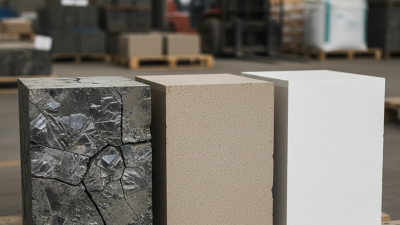
Another key aspect is the use of a Fire-Clay Bottom Block. This material is known for its thermal stability, which aids in maintaining consistent temperatures. A stable temperature not only leads to higher product quality but also minimizes waste. When temperatures fluctuate, energy is used inefficiently. Reducing this waste contributes to lower overall emissions, creating a sustainable process.
Tips: Regular monitoring of furnace performance can lead to optimal efficiency. Additionally, training staff to understand the advantages of using Fire-Clay Bottom Block can enhance their operational knowledge. Establishing best practices for furnace operation helps in maintaining both quality and environmental performance. Reflecting on these factors can reveal areas for improvement, creating an opportunity for innovation in manufacturing processes.
Comparative Cost Analysis of Cross Fire Furnace vs. Traditional Furnaces
The Cross Fire Furnace offers several advantages over traditional furnaces, particularly when it comes to cost efficiency. According to industry reports, the operational costs of an Oxy-Gas Furnace can be 30% lower than those of conventional heating systems. This reduction stems largely from improved fuel efficiency and reduced emissions. Moreover, with the ever-increasing costs of energy, switching to an Oxy-Fuel Firing Furnace can significantly decrease a company's long-term expenses.
When comparing installation costs, traditional furnaces often require extensive modifications to existing infrastructure. In contrast, an Oxy-Gas Furnace usually integrates more seamlessly into current systems. Despite the initial investment being relatively high, many studies indicate a payback period of only 2-3 years due to lower energy bills and maintenance costs.
Tips: Always perform a thorough cost analysis before making decisions. Evaluate the total cost of ownership rather than just the upfront cost. It is also essential to consider the long-term benefits of adopting more efficient technologies, such as reduced environmental impact and compliance with stricter regulations. Additionally, companies should anticipate occasional training needs. Staff may require support to transition effectively to the new systems.
Comparative Cost Analysis: Cross Fire Furnace vs. Traditional Furnaces
This chart illustrates the average installation costs of Cross Fire Furnaces compared to traditional furnaces. The Cross Fire Furnace has a higher installation cost but offers advanced efficiency, potentially leading to lower operating costs over time.
Improved Product Quality and Consistency with Cross Fire Furnaces
Cross Fire Furnaces have become essential for industries aiming to enhance product quality. These furnaces provide efficient heat distribution, which is crucial in achieving uniform temperatures throughout the material. This leads to consistent results, reducing variations that could affect product integrity. Buyers can expect improved control over their manufacturing processes, ensuring high standards.
Another significant advantage is the reduction of defects in the finished products. With better thermal management, the likelihood of issues such as warping or uneven curing is minimized. However, companies must adapt their workflows to fully utilize the benefits of these systems. Adjusting to new technology can be challenging, requiring training and investment in skilled personnel. This transition period may temporarily disrupt production.
Ultimately, the shift to Cross Fire Furnaces promotes a commitment to quality. It signals a dedication to delivering reliable and superior products to consumers. Nevertheless, achieving these goals demands a proactive approach and continuous assessment of processes. Failure to address challenges can hinder the expected benefits.
Ease of Maintenance and Operation of Cross Fire Furnaces
Maintaining and operating Cross Fire Furnaces can be straightforward yet requires attention to detail. Users often appreciate the simplicity of their design, which allows for easier routine checks. The overall layout facilitates quick access to critical components, reducing downtime during maintenance.
However, some may find the initial learning curve challenging. Training is essential to fully grasp the operational intricacies. Regular inspections should be emphasized to maintain peak efficiency. Routine monitoring can help spot potential issues before they escalate into costly repairs. This proactive approach fosters reliable operation and extends the furnace's lifespan.
User feedback highlights the importance of clear manuals and training sessions. While the furnace simplifies maintenance tasks, misunderstandings can lead to operational errors. Investing time in proper education can significantly enhance overall efficiency. By addressing these challenges, users can maximize the advantages of Cross Fire Furnaces.
Global Market Trends and Demand for Cross Fire Furnaces
The global market for Cross Fire Furnaces is witnessing significant growth. Buyers are increasingly drawn to their efficiency and reliability. The demand stems from industries seeking effective heating solutions. These furnaces enhance performance, thereby reducing operational costs. Unlike traditional heating methods, they distribute heat evenly, improving product quality.
Tips: When selecting a Cross Fire Furnace, assess your specific heating needs. Consider the materials and technologies that ensure optimal performance. Size matters; ensure your choice matches your operational requirements.
Emerging markets show a growing interest in Electric Furnaces. They offer precise temperature control and energy savings. However, some industries are hesitant, citing initial investment costs. It's crucial to weigh immediate expenses against long-term benefits. Understanding market trends helps buyers make informed decisions. Awareness of energy efficiency standards is essential for future compliance.
Enhancing Sustainability in Glass Production: Insights from Industry Data on Energy-Efficient Furnace Technology with Low Carbon Emissions
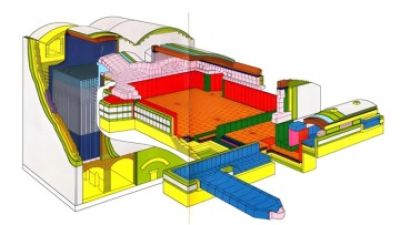
The glass production industry is increasingly focusing on sustainable practices, particularly through the adoption of energy-efficient technologies that minimize carbon emissions. A significant innovation in this field is the regenerative end fired furnace, which is highly regarded for its flexibility and low energy consumption. This advanced furnace design allows manufacturers to produce various glass products, such as bottles, containers, and tableware, while significantly reducing the carbon footprint associated with traditional glassmaking processes.
One of the standout features of the regenerative end fired furnace is its ability to decrease reliance on fossil fuels. By harnessing waste heat and optimizing combustion processes, it not only lowers energy costs but also minimizes harmful emissions. This contributes to a more environmentally friendly glass production process, aligning with global sustainability goals. As the demand for eco-conscious manufacturing practices continues to rise, the regenerative end fired furnace stands out as a pivotal technology that enables manufacturers to meet the growing expectations of both consumers and regulators.
Investing in such innovative furnace technology not only ensures compliance with environmental standards but also enhances the overall efficiency and sustainability of glass production. By integrating energy-efficient practices, manufacturers can not only improve their operational performance but also make a positive impact on the environment, paving the way for a greener future in the glass industry.
FAQS
: The operational costs can be 30% lower than traditional heating systems due to better fuel efficiency.
Traditional furnaces often need significant modifications, while Cross Fire Furnaces integrate more easily into existing systems.
Many studies suggest a payback period of 2-3 years due to lower energy bills and maintenance costs.
Always perform a thorough cost analysis and consider the total cost of ownership and long-term benefits.
Industries prefer them for their efficiency, reliability, and ability to distribute heat evenly, enhancing product quality.
Evaluate your specific heating needs, materials, technologies, and ensure the size matches operational requirements.
They provide precise temperature control and energy savings, appealing to emerging markets seeking efficiency.
Some industries hesitate due to initial investment costs versus long-term benefits needing careful consideration.
Anticipate occasional training needs and support for staff to adjust to new operational processes effectively.
Understanding trends helps in making informed decisions and ensures compliance with future energy efficiency standards.
Conclusion
The article on the "Top Benefits of Cross Fire Furnace for Global Buyers" highlights the significant advantages of utilizing Cross Fire Furnaces in industrial applications. These furnaces are known for their enhanced energy efficiency, which not only reduces operational costs but also contributes to sustainable practices by minimizing environmental impact. Additionally, the Cross Fire Furnace technology results in improved product quality and consistency, making it a preferable choice for manufacturers.
Furthermore, a comparative cost analysis shows that while initial investments may be higher, the long-term savings and efficiency gains justify the expense. The ease of maintenance and operation also makes Cross Fire Furnaces appealing to global buyers. As market trends indicate a growing demand for advanced heating solutions, the Cross Fire Furnace stands out as a reliable and effective option for industries aiming to upgrade their furnace technology.