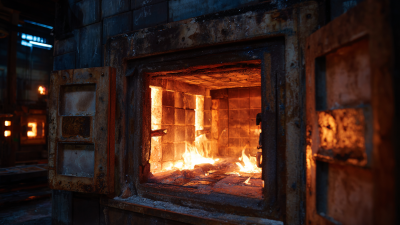
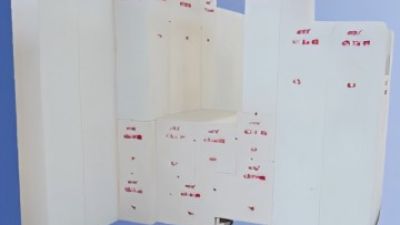
Choosing the right Glass Furnace Chrome Magnesite supplier isn’t just about comparing prices or flipping through shiny brochures. Honestly, there's a bit more to it than that. In this guide, I’ve looked at seven top suppliers, focusing on how well their products match actual furnace needs, verified data, and the level of customer support. The main thing I’m zeroing in on is the chrome magnesite bricks used in those tough, glass-contact zones and the upper structure of the furnace. Their performance really hinges on factors like chromium oxide content, the right balance of magnesium oxide, how porous they are, their resistance to thermal shock, and how well they handle slag.
Let's be real—furnace conditions matter big time. A trusted supplier should provide consistent chemical analysis, records of controlled firing, traceability of batch production, and clear quality certificates. It’s also super helpful if their technical team explains how to install, store, design joints, and what operating temperatures are ideal. These little details can seriously cut down on cracking, infiltration issues, or surprise maintenance during those long runs. When possible, I’ve also looked into their manufacturing experience, export capabilities, lab testing setups, and real-world application examples from actual glass plants. Independent certifications can add some weight to a supplier’s credibility, but don’t rely on those alone—nothing beats getting your own technical check done.
Of course, no supplier is perfect. The performance of their products can vary depending on your furnace design, the type of glass you’re making, how you heat the furnace, and how well everything is installed. Because of that, a good supplier should be open to testing samples, providing references, and running controlled trials before you commit to buying large quantities. Price definitely matters, but before going for the cheapest option, keep in mind that cheaper bricks might end up costing you more in repairs down the line. This guide is meant to give you a practical way to fairly compare these seven suppliers. Keep in mind, some info might need a little more digging—especially if a company’s published data is limited. That’s something to watch out for. Ultimately, making a smart purchase comes down to having balanced, transparent info, clear communication, and real results from inside actual glass furnace operations.
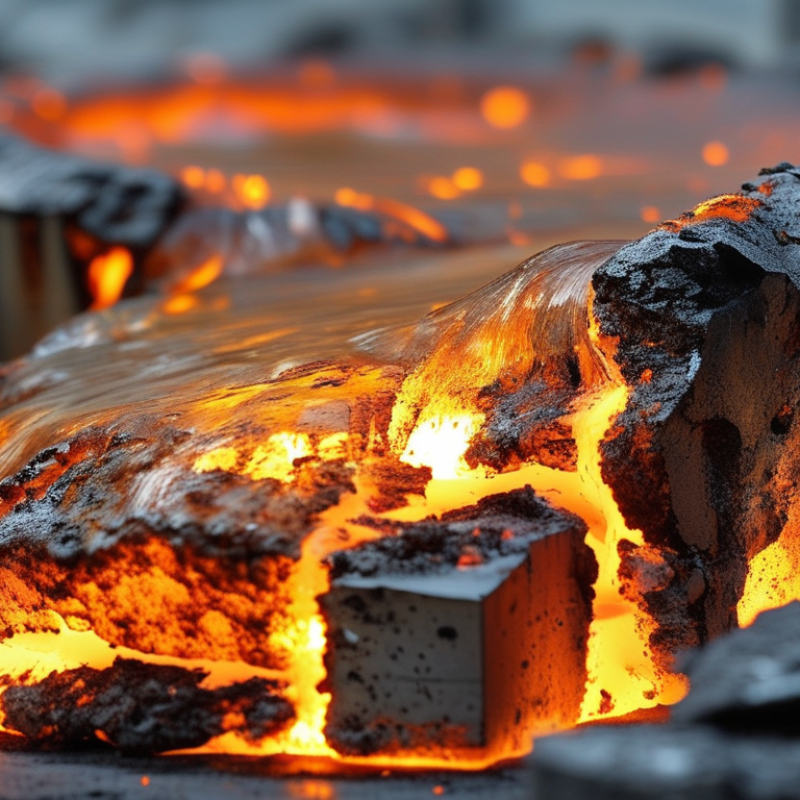
Chrome magnesite refractory is a heat-resistant ceramic used in demanding glass furnace zones. It combines magnesia with chromium-bearing minerals. The term Glass Furnace Magnesite Chrome commonly describes this material in technical searches.
Its dense structure resists corrosion from molten glass, dust, and alkaline vapors. It also tolerates repeated heating and cooling better than many ordinary refractories. In regenerator chambers, checkerwork areas, and high-temperature furnace sections, this stability can protect furnace life. The brick surface should remain tight and well-fired. Small pores may allow aggressive glass compounds to penetrate.
Material selection requires more than checking chromium content. Technicians should examine bulk density, apparent porosity, thermal expansion, and corrosion resistance. Furnace temperature and glass chemistry matter equally. A supplier should provide test data, traceable production records, and installation guidance. Field experience is useful here. A brick that performs well in one furnace may fail in another.
Installation quality cannot repair a poorly selected grade. Joints need careful alignment, and damaged edges should not be ignored. Heat changes everything. Chrome magnesite may also require environmental review because chromium-containing materials need responsible handling and disposal. No refractory choice is perfect. I have seen specifications look convincing while actual furnace conditions exposed unexpected weaknesses. Regular inspection, temperature records, and honest performance reviews help refine the next purchase.
Typical chrome-magnesite refractory compositions contain a high proportion of magnesium oxide and chromium oxide, with controlled silica and iron oxide. The combination provides high-temperature stability, resistance to basic glass-furnace slags, and good corrosion resistance in demanding furnace zones. Actual specifications vary by raw material, manufacturing process, and furnace design.
Chrome magnesite is a critical refractory material in demanding glass furnace zones. Its magnesia base resists high temperatures, while chrome-bearing spinel improves resistance to corrosive glass and furnace vapors. This combination helps protect sidewalls, Checker Chambers, and other areas exposed to thermal cycling. In practice, a stable lining can reduce repairs and limit production interruptions.
The best suppliers should provide more than a competitive price. They should document chemical composition, apparent porosity, bulk density, and crushing strength. Batch consistency matters. Small variations may create uneven wear across a furnace wall. Experienced suppliers also explain firing conditions, brick dimensions, storage requirements, and installation limits. Traceable test reports are essential, especially when furnaces operate continuously for months.
Chrome magnesite is not automatically the right choice everywhere. Its performance depends on glass chemistry, furnace temperature, airflow, and contact with molten material. A supplier who asks detailed technical questions deserves closer attention. Site references can reveal practical performance, but they are not perfect proof. I would also request samples and independent testing before approving a large order. That extra step may feel slow. It can prevent an expensive mistake. Even well-made bricks can fail when installed poorly or exposed to conditions outside their design range.
Choosing among the 7 best Glass Furnace Chrome Magnesite suppliers requires more than comparing prices. Start with chemistry. Ask for certified Cr2O3, MgO, Fe2O3, and SiO2 results from recent production batches. The USGS Mineral Commodity Summaries 2024 estimated global chromite mine production at about 41 million metric tons in 2023. Supply is large, but consistency is not guaranteed. A supplier should explain ore origin, beneficiation, calcination, and lot traceability. Dense Chrome grades may offer stronger resistance to glass corrosion, yet density alone proves little.
Furnace conditions decide performance. The European Commission’s JRC glass-manufacturing reference document identifies melting temperatures commonly near 1,500°C or higher. Therefore, request test data for apparent porosity, bulk density, thermal shock, corrosion resistance, and permanent change after reheating. Compare results using the same test methods. Small differences matter around burner ports and glass-contact zones. Ask for sample pieces, not only spreadsheets.
Delivery reliability also deserves technical review. Check particle-size control, moisture protection, packaging strength, and replacement lead times. A serious supplier can provide a quality plan, inspection records, and corrective-action history. I would also audit one shipment before approving a long contract. It feels slower. It prevents expensive surprises. Industry reports often describe market capacity, but they rarely reveal every batch problem. That gap requires practical verification, including independent laboratory testing and a furnace trial.
The seven featured chrome magnesite suppliers differ most in chemistry, testing, and delivery discipline. USGS Mineral Commodity Summaries 2024 estimates global chromite production at roughly 41 million metric tons in 2023. That scale does not guarantee consistent refractory quality. Buyers should compare Cr2O3 content, MgO balance, bulk density, apparent porosity, and thermal-shock resistance. A certificate alone is insufficient.
In furnace trials, dense bricks usually perform better near intense heat and glass contact. Porous Chrome products may suit insulation zones, but open pores can accelerate glass penetration. Check the supplier’s test method and sample temperature.
ASTM-based testing, batch traceability, and independent laboratory results deserve more weight than attractive pricing. Lead-time records also matter; one delayed shipment can interrupt a furnace repair window.
The seven suppliers should be judged against the same technical sheet, not different marketing claims. USGS data supports the importance of secure mineral supply, while industry refractory reports consistently identify energy efficiency, service life, and quality control as purchasing priorities.
Still, the comparison is not perfect. Published data may represent selected batches, not every shipment. Ask for recent samples, furnace references, and failure analysis before signing a long-term agreement.
One overlooked detail: pallet protection. Damp packaging can damage edges before installation.
Supplier One: Product Range and Glass Furnace Expertise
Supplier One should offer chrome magnesite bricks for sidewalls, doghouse zones, breastwalls, and high-wear repairs. Its range should include standard, directly bonded, and low-impurity grades. According to the USGS Mineral Commodity Summaries 2024, global magnesite mine production reached approximately 27 million metric tons in 2023. That figure shows scale, not quality. Refractory buyers still need traceable chemistry and consistent firing.
For glass furnaces, expertise appears in practical details. The supplier should report magnesium oxide, chromium oxide, iron oxide, bulk density, apparent porosity, and Refractoriness Under Load. Testing should follow recognized methods, including EN 993 procedures where applicable. The European Commission’s Glass Manufacturing BREF identifies corrosion, thermal cycling, and furnace emissions as important operating concerns. A capable supplier should therefore explain how its bricks perform beside molten glass, batch dust, and alkali vapors.
Ask for campaign records, not only laboratory certificates. The JRC reference document notes that furnace design and operating conditions strongly affect campaign life. Supplier One should provide installation guidance, joint recommendations, and post-use failure analysis. That matters.
A weakness may remain. Chrome magnesite can perform well, yet one grade rarely suits every furnace position. I would request a zone-by-zone selection review, sample testing, and clear replacement criteria before approval.
Supplier Two focuses on dense chrome magnesite bricks for glass furnace sidewalls. Its production team controls grain sizing, pressing pressure, and firing temperature. Buyers in Europe and the Middle East often request detailed batch records. The supplier supports medium-volume orders with flexible pallet planning. I would still verify thermal shock data under your furnace conditions.
Supplier Three serves large float-glass projects with high-volume capacity. Its facilities typically include automated mixing lines and tunnel kilns. Supplier Four offers custom shapes for burner ports, corners, and upper checkerwork. Its market coverage is stronger across South Asia and nearby export routes. Supplier Five combines engineering support with installation guidance. That can reduce fitting errors during a short shutdown. However, technical advice should match the furnace drawing, not a standard catalogue.
Supplier Six targets regional glass plants and shorter delivery cycles. It may provide smaller batches, replacement pieces, and responsive after-sales communication. Supplier Seven has broader international logistics and can coordinate inspection before shipment. Its capabilities may suit buyers managing several furnace sites. Ask for test results, dimensional tolerances, packaging photos, and recent delivery references. Do not rely on one laboratory report. A few suppliers present impressive numbers, but field performance can vary with batch chemistry, flame patterns, and operator practice. That weakness deserves attention. Evaluation should include sample testing, traceable documentation, and a realistic lead-time check.
Selecting the best supplier for a glass furnace requires more than comparing prices. The refractory must match your furnace temperature, glass chemistry, operating cycle, and repair schedule. Ask for test data covering corrosion resistance, thermal shock, bulk density, and dimensional stability. A capable supplier should explain these results clearly, not hide behind general claims.
Inspect the supplier’s production controls. Can they trace raw materials by batch? Do they check chemical composition and apparent porosity before shipment? Request a sample or small trial order when possible. For a Glass Furnace Bubbling Block, examine hole accuracy, surface finish, and machining quality. Small dimensional errors can disturb gas distribution and create uneven bubbling. That problem may appear only after installation.
Service matters during a shutdown. Confirm packaging standards, delivery timing, installation guidance, and technical response hours. Ask for references from furnaces with similar temperatures and glass types. A lower quote can look efficient. It may not be. Poor consistency can cause shortened service life, extra repairs, and lost production.
Do not accept every specification without questioning it. Some claims sound impressive but lack independent evidence. Review inspection reports, sample results, and warranty conditions with your furnace engineer. The best supplier communicates limitations honestly and adjusts recommendations when operating conditions change. That practical honesty is often more valuable than polished sales language.
| No. | Supplier Capability to Prioritize | Typical Material Chemistry | Key Physical Benchmarks | Expected Furnace Service Conditions | Documents and Tests to Request | Suitable Glass-Furnace Areas | Best Fit |
|---|---|---|---|---|---|---|---|
| 1 | High-chromium, direct-bonded refractory specialist | Cr2O3: commonly about 20–30% MgO: balance of the principal oxides Low free silica and controlled impurities | Apparent porosity: commonly about 16–20% Bulk density: commonly about 2.90–3.10 g/cm³ High corrosion resistance in aggressive service | High-temperature zones exposed to molten glass, batch dust, and alkali vapors; generally selected where corrosion resistance is more important than minimum cost. | Chemical analysis, apparent porosity, bulk density, cold crushing strength, permanent linear change, thermal-shock data, and corrosion-test results. | Sidewalls, breastwalls, doghouse areas, and other wear zones subject to severe chemical attack. | Severe corrosion |
| 2 | Low-silica chrome-magnesite supplier | Cr2O3: commonly about 10–20% MgO: principal matrix component Carefully restricted SiO2 and alkali impurities | Apparent porosity: commonly about 17–21% Bulk density: commonly about 2.85–3.05 g/cm³ Lower glass-phase formation risk when impurity control is strong | High-temperature applications where volatile alkalis and batch carryover may accelerate refractory corrosion. | Lot-specific oxide analysis, impurity limits, pore-size data where available, corrosion testing, and traceability from raw material to finished block. | Upper sidewalls, superstructure-adjacent wear areas, and transition zones requiring controlled chemistry. | Impurity-sensitive |
| 3 | Large electrofused or high-purity raw-material supplier | Consistent MgO–Cr2O3 composition High-purity raw materials with low CaO, SiO2, Fe2O3, and alkali levels | Dense microstructure and low open porosity Strong resistance to penetration and structural corrosion Performance depends on fusion, grain sizing, and bonding quality | Long campaigns and high thermal loads where stable quality and resistance to molten-glass penetration are critical. | Raw-material origin, fusion or sintering records, particle-size distribution, petrographic or microstructural evaluation, and independent laboratory verification. | Furnace bottoms, heavily loaded sidewalls, and high-wear sections designed for extended operating campaigns. | Long campaign |
| 4 | Precision-shaped block manufacturer | Chrome-magnesite chemistry matched to the selected grade Consistent oxide composition across individual blocks and production lots | Dimensional tolerance controlled to the project drawing Uniform density and porosity Stable permanent linear change after firing | Applications where tight joints, accurate lining geometry, and reduced installation adjustment are important. | Inspection drawings, dimensional inspection reports, batch identification, fired-property results, edge and corner acceptance criteria, and packing inspection. | Sidewalls, corners, ports, doghouse geometry, and custom sections with complex dimensions. | Complex geometry |
| 5 | Thermal-shock and repair-material specialist | Chrome-magnesite grade selected for balanced thermal and corrosion performance Controlled binder and additive system for monolithic or repair products | Thermal-shock resistance verified by a defined test method Suitable working time, drying behavior, and mechanical strength for the repair format | Areas exposed to temperature cycling, start-up and shutdown stresses, or localized maintenance repairs. | Installation method, water addition limits, curing and dry-out schedule, thermal-shock results, strength development, and compatibility assessment with existing brickwork. | Localized repairs, burner surrounds, transition zones, and sections vulnerable to thermal cycling. | Thermal cycling |
| 6 | Export logistics and project-support supplier | Product chemistry selected according to the furnace design and glass composition Consistent grade identification across repeat shipments | Packaging that protects against moisture and impact Palletization and labeling suitable for site handling Delivery quantities aligned with installation sequence | Projects requiring coordinated delivery, storage guidance, technical supervision, and replacement-material planning. | Commercial invoice, packing list, certificate of analysis, certificate of conformity, safety information where applicable, shipping marks, and moisture-control instructions. | Greenfield projects, major rebuilds, remote sites, and shutdowns with strict delivery windows. | Project delivery |
| 7 | Testing-led custom-grade supplier | Grade developed around the customer’s glass chemistry, furnace temperature, and corrosion mechanism Oxide limits agreed before production | Properties optimized for the application rather than a generic catalog grade Comparative testing against the existing refractory is recommended | Specialized furnaces, unusual glass compositions, high-recycled-content batch, or operating conditions not covered by standard grades. | Furnace-history review, glass and batch analysis, laboratory cup or rotary corrosion test, pilot evaluation, full test report, and documented corrective-action process. | Special glass lines, aggressive melts, trial campaigns, and technically demanding replacement projects. | Custom design |
Fused cast 33# AZS blocks can significantly improve molten glass furnace performance by combining strong chemical stability with excellent resistance to high-temperature corrosion. Their dense structure helps reduce reactions with molten glass, limiting the risk of stone formation, bubble generation, and matrix glass phase precipitation. This supports cleaner glass production and helps maintain consistent product quality during extended furnace operation.
These blocks also withstand both acidic and alkaline slags, making them suitable for demanding furnace zones exposed to aggressive chemical conditions. Their resistance to molten glass erosion helps protect the furnace lining, reduce maintenance requirements, and extend service life. With reliable performance in severe thermal environments, fused cast 33# AZS blocks are well suited for the upper structure of the melting end, working-pool side walls, paving areas, and forehearth sections. Manufactured through controlled production processes, they provide dependable dimensional stability and long-term protection for critical glass-contact and near-glass-contact areas.
: Request recent batch certificates for Cr₂O₃, MgO, Fe₂O₃, and SiO₂. Ask for lot numbers and production dates. Consistency matters more than impressive average values.
No. Density alone proves little. Review apparent porosity, corrosion resistance, thermal shock, and reheating behavior. Dense grades may resist glass corrosion, but testing remains necessary.
Glass melting commonly occurs near 1,500°C or higher. The supplier should discuss burner ports, sidewalls, doghouse zones, and glass-contact areas. Different zones need different brick selections.
Compare bulk density, apparent porosity, refractoriness under load, and thermal-shock results. Use identical test methods for every supplier. Otherwise, comparisons become misleading.
Yes. Ask for sample bricks or cut pieces, not spreadsheets alone. Inspect texture, dimensions, firing quality, and visible pores. Small details matter.
Ask about ore origin, beneficiation, calcination, and lot tracking. Production records should connect raw materials with finished bricks. Missing links deserve questions.
Check particle-size control, moisture protection, packaging strength, and replacement lead times. Request inspection records and corrective-action history. Delivery failures can interrupt repairs.
It is strongly advisable before signing a long contract. Audit one shipment and test representative samples independently. A furnace trial reveals practical weaknesses. I might be overly cautious, but assumptions can become expensive.
This guide explains how Glass Furnace Chrome Magnesite supports reliable, high-temperature glass production. Designed to withstand intense heat, chemical corrosion, thermal shock, and contact with molten glass, this refractory material can help extend furnace lining life and maintain stable operating conditions. The article also discusses why chrome magnesite is important in melting tanks, regenerators, and other demanding furnace areas where durability and resistance to aggressive environments are essential.
It compares seven types of suppliers according to product range, manufacturing consistency, technical expertise, quality control, customization options, delivery capability, and market coverage. The guide highlights how some suppliers focus on specialized glass furnace applications, while others provide broader refractory solutions for different industrial needs. To select the most suitable supplier, furnace operators should evaluate service life, chemical compatibility, dimensional accuracy, testing standards, technical support, lead times, and total operating cost rather than relying only on price.